Natural Relief for Migraines: The Science Behind Acupuncture

December 1, 2024

Migraines are debilitating neurological conditions characterized by recurrent, severe headaches often accompanied by nausea, vomiting, and sensitivity to light and sound. They can significantly impair an individual’s quality of life, making effective treatment essential. While conventional medicine offers various pharmacological options, many individuals seek alternative therapies, including acupuncture, for relief. This article delves into the relationship between acupuncture and migraines, exploring its efficacy, mechanisms, and the science supporting its use.


Understanding Migraines


Before examining acupuncture, it’s essential to understand what migraines are. Migraines typically present as intense throbbing or pulsing pain on one side of the head, lasting from hours to days. They can be preceded or accompanied by sensory disturbances known as auras. Common triggers include:


– Stress
– Hormonal changes
– Certain foods and drinks (e.g., aged cheeses, alcohol) – Changes in sleep patterns
– Environmental factors (e.g., bright lights, strong smells)


Traditional Treatment Options


Conventional treatment for migraines often includes over-the-counter pain relievers like ibuprofen or acetaminophen, prescription medications, and preventive treatments. However, these can come with side effects, and many patients experience inadequate relief. As a result, there’s a growing interest in alternative therapies, particularly acupuncture.


What is Acupuncture?


Acupuncture is a key component of Traditional Chinese Medicine (TCM) that involves inserting thin needles into specific points on the body to promote healing and balance. These points are believed to correspond to pathways known as meridians, through which vital energy (Qi) flows. According to TCM, disruptions or blockages in this energy flow can lead to illness, including migraines.


Acupuncture and Its Mechanisms


1. Pain Relief: Acupuncture is thought to stimulate the body’s natural painkillers, such as endorphins, and promote blood flow, which can alleviate pain. Studies have shown that acupuncture can modulate pain transmission pathways and reduce the perception of pain.


2. Neurotransmitter Regulation: Acupuncture may influence the levels of neurotransmitters involved in pain processing, such as serotonin, which plays a crucial role in mood and pain regulation. This can be particularly beneficial for migraine sufferers, as fluctuations in serotonin levels are linked to the development of migraines.


3. Stress Reduction: Since stress is a common trigger for migraines, acupuncture’s ability to promote relaxation and reduce anxiety can have a positive impact on the frequency and severity of migraine attacks.


4. Inflammation Reduction: Some research suggests that acupuncture may have anti-inflammatory effects, which could help prevent migraines triggered by inflammatory processes in the body.


The Evidence Supporting Acupuncture for Migraines


Numerous studies and clinical trials have investigated the efficacy of acupuncture in treating migraines. Here are some of the key findings:


– Systematic Reviews: A systematic review in 2016 analyzed multiple trials examining the effects of acupuncture on migraines. The review concluded that acupuncture significantly reduced the frequency and intensity of migraine attacks compared to control groups receiving no treatment or sham acupuncture.


– Randomized Controlled Trials (RCTs): Several RCTs have demonstrated that acupuncture can be as effective as conventional migraine prophylactic treatments. For example, a study published in the journal “Neurology” found that patients receiving acupuncture experienced fewer migraines and improved quality of life compared to those on standard medication.


– Long-Term Benefits: Some research suggests that the benefits of acupuncture can persist over time. A study indicated that patients who received acupuncture showed sustained reductions in migraine frequency even after the treatment ended.


How Acupuncture is Administered for Migraines


1. Initial Consultation: A licensed acupuncturist will first conduct a thorough assessment, including a discussion of the patient’s medical history, migraine triggers, and overall health.


2. Treatment Plan: Based on the initial assessment, the acupuncturist will develop a personalized treatment plan, which may involve multiple sessions.


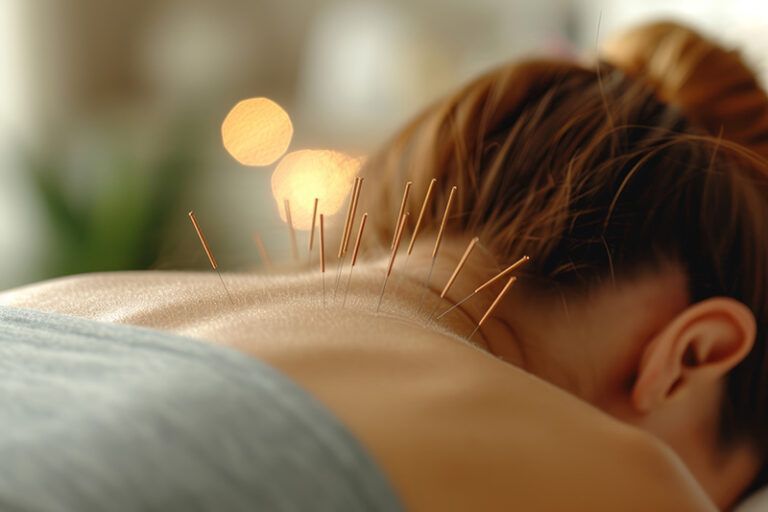
3. Needle Insertion: During a session, fine needles are inserted into specific acupuncture points, usually on the head, neck, and sometimes the limbs. Patients often report minimal discomfort during needle insertion.


4. Session Duration: Each session typically lasts between 30 to 60 minutes, during which patients may relax and unwind. A minimum of 10 sessions are recommended.


5. Follow-Up: Patients may require several sessions to achieve optimal results, and follow-up appointments will help monitor progress.

Person receiving acupuncture treatment on the upper back and neck in a calm spa setting

Potential Risks and Considerations


While acupuncture is generally considered safe when performed by a qualified practitioner, there are some risks and considerations:


– Mild Side Effects: Some individuals may experience minor side effects, such as bruising, soreness, or fatigue following treatment.

Integrating Acupuncture with Other Treatments


Acupuncture can be effectively integrated with conventional treatments for migraines. For instance, individuals may use acupuncture as a complementary therapy alongside medication or lifestyle changes such as dietary adjustments and stress management techniques. This holistic approach can enhance overall well-being and improve migraine management.


1. Herbal Supplements
– Butterbur: This herb has been shown in some studies to reduce the frequency of migraines. It is important to choose a PA-free product to avoid potential liver toxicity.
– Feverfew: Traditionally used for migraine prevention, feverfew may help reduce the frequency and severity of attacks.
– Ginger: Known for its anti-inflammatory properties, ginger may help relieve migraine symptoms, especially nausea.


2. Essential Oils
– Lavender Oil: Inhalation or topical application of lavender oil may help reduce migraine pain and promote relaxation. Some people find relief by applying diluted lavender oil to their temples or using it in a diffuser.
– Peppermint Oil: Applying diluted peppermint oil to the temples may provide a cooling sensation and help alleviate headache pain.

Herbal supplements with glass jars, capsules, seeds, and yellow flowers on a white surface

Personal Experiences


Many individuals who have turned to acupuncture for migraine relief report positive outcomes. Testimonials often highlight reduced migraine frequency, less reliance on medications, and overall improved quality of life. Personal stories can provide valuable insights into the effectiveness of acupuncture and its role in managing migraines.


Conclusion


Acupuncture offers a promising alternative or complement to conventional treatments for migraines. With a growing body of evidence supporting its efficacy, many individuals are finding relief through this ancient practice. Through continued research and patient experiences, acupuncture may play an increasingly significant role in the management of migraines, helping individuals regain control over their health and well-being.

Older man with glasses cupping his ear, listening intently against a light background
January 16, 2026
Can acupuncture help with hearing loss? Explore current research, potential benefits, and its role as a complementary therapy alongside medical evaluation and treatment.
Person reclining under a red LED light panel, lit in intense red glow.
October 27, 2025
Learn how red light therapy and PEMF may support recovery, circulation, and wellness. Explore how these noninvasive therapies work and their potential benefits.
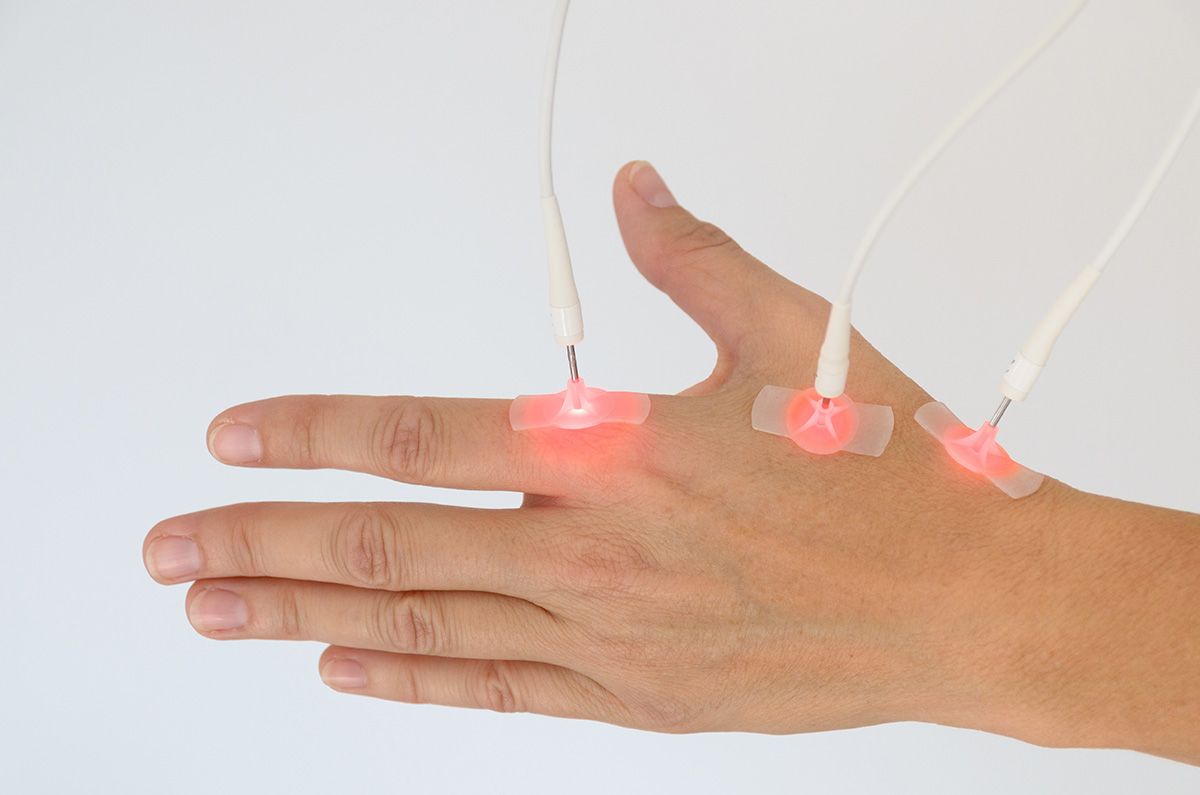
Hand with three red laser therapy probes on the back, emitting red light against a white background
October 27, 2025
Discover how laser acupuncture uses light instead of traditional needles. Explore its potential benefits for pain relief, relaxation, and holistic wellness.
Woman lying on a treatment bed with a white device attached to her abdomen.
October 13, 2025
Explore cryo slimming for body contouring and cellulite reduction. Learn how this noninvasive treatment works, its potential benefits, and what to expect.
Runners in a road race, with a smiling woman in a red tank top leading in the foreground.
October 6, 2025
Learn how acupuncture may help runners manage muscle soreness, relieve running-related pain, and support recovery, mobility, and athletic performance.
Hands holding a thin thread above metal pins, suggesting acupuncture treatment
September 28, 2025
Discover why medical doctors refer patients to acupuncturists and how acupuncture can complement conventional medicine to support pain management and overall wellness.
Woman in a hospital bed smiling at her newborn baby wrapped in a white blanket
September 19, 2025
Explore how acupuncture may support postpartum recovery by promoting relaxation, easing muscle tension, and complementing personalized care for new mothers.
Dancer stretching on wooden studio floor beside mirrored wall, wearing a black outfit and pink ballet shoes
September 11, 2025
Learn how acupuncture may help dancers manage injury-related pain, ease muscle tension, and support mobility. Explore its role in dance injury recovery and rehabilitation.
Smiling patient in a hospital bed wearing a blue hair cap, with medical monitor in the background
September 9, 2025
Discover how acupuncture may support post-surgery recovery by helping manage pain, reduce discomfort, and promote relaxation as part of a personalized recovery plan.
Smiling woman with a headscarf and gray sweater indoors, with a softly blurred background
March 18, 2025
Discover how acupuncture may help cancer patients manage treatment-related symptoms, including nausea, pain, and fatigue, as part of supportive cancer care.