Acupuncture for Postpartum Healing and Recovery: An Ancient Practice for Modern Mothers

September 19, 2025

Introduction


The postpartum period—commonly referred to as the “fourth trimester”—is a deeply transformative time for new mothers. After pregnancy and childbirth, the body undergoes profound physical, emotional, and hormonal changes. While modern medicine offers important interventions, many women seek holistic approaches to support healing, balance, and restoration. One of the most respected and time-tested therapies is acupuncture, a cornerstone of Traditional Chinese Medicine (TCM).


Acupuncture has been used for thousands of years to regulate the body’s energy (qi), balance hormones, relieve pain, and promote overall wellness. Today, research and clinical practice increasingly recognize its role in helping new mothers navigate challenges such as fatigue, postpartum depression, breastfeeding issues, hormonal fluctuations, and physical recovery after delivery.


This article explores how acupuncture supports postpartum healing and recovery, integrating both traditional wisdom and modern evidence.


The Postpartum Landscape: Why Healing Matters


Physical Demands of Birth


Childbirth, whether vaginal or via cesarean section, places immense demands on the body. Muscles, ligaments, and tissues may be strained or injured. Blood loss, hormonal shifts, and lack of sleep can further drain energy reserves. Postpartum women may experience:


  • Perineal pain or tearing
  • Cesarean scar discomfort
  • Back, neck, and pelvic pain
  • Fatigue and weakness


Emotional and Mental Adjustments

Beyond the physical, new mothers often face emotional upheaval. Fluctuating hormone levels, sleep deprivation, and the stress of adjusting to new responsibilities can contribute to:


The Holistic Perspective


Traditional Chinese Medicine views the postpartum period as a critical window of vulnerability and opportunity. A mother’s qi and blood are considered depleted after pregnancy and birth, requiring careful nourishment. If left unsupported, imbalances can linger and manifest as long-term health issues. Acupuncture aims to restore harmony, enhance vitality, and prevent complications.


How Acupuncture Works in Postpartum Recovery


Acupuncture involves inserting fine, sterile needles into specific points on the body to regulate energy flow and stimulate the body’s natural healing processes. From a biomedical perspective, acupuncture is thought to influence the nervous system, improve circulation, release endorphins, and modulate hormonal activity.


Key Mechanisms Relevant to Postpartum Care


  1. Pain Relief – Acupuncture stimulates endorphin release and reduces inflammation, easing musculoskeletal pain, perineal discomfort, and cesarean scar pain.
  2. Hormonal Regulation – By modulating the hypothalamic-pituitary-adrenal (HPA) axis, acupuncture can support balanced levels of estrogen, progesterone, prolactin, and cortisol, aiding mood stability and lactation.
  3. Improved Circulation – Enhanced blood flow promotes uterine healing, scar repair, and tissue regeneration.
  4. Stress Reduction – Acupuncture activates the parasympathetic nervous system, reducing anxiety and improving sleep quality.
  5. Digestive and Metabolic Support – Postpartum constipation, bloating, or poor appetite can be alleviated by points that regulate digestion.


Benefits of Acupuncture for Postpartum Healing


1. Pain Management and Physical Recovery


  • Perineal pain: Acupuncture reduces inflammation and supports tissue repair in women recovering from tears or episiotomies.
  • Cesarean section recovery: By promoting circulation around the scar, acupuncture can ease pain, reduce adhesions, and improve healing.
  • Musculoskeletal relief: Many new mothers experience back, neck, and shoulder pain from labor or breastfeeding posture. Acupuncture helps relax tense muscles and restore mobility.


2. Hormonal Balance and Emotional Well-Being


  • Baby blues and PPD: Acupuncture supports the regulation of serotonin, dopamine, and endorphins, helping stabilize mood and reduce depressive symptoms.
  • Anxiety and insomnia: Stimulating calming points encourages relaxation, reduces cortisol levels, and promotes restful sleep.


3. Support for Breastfeeding


  • Milk supply: Certain acupuncture points (such as ST18, SI1, and REN17) are traditionally used to stimulate lactation and resolve blocked ducts.
  • Mastitis prevention: Improved circulation and immune support may help reduce inflammation in the breasts.

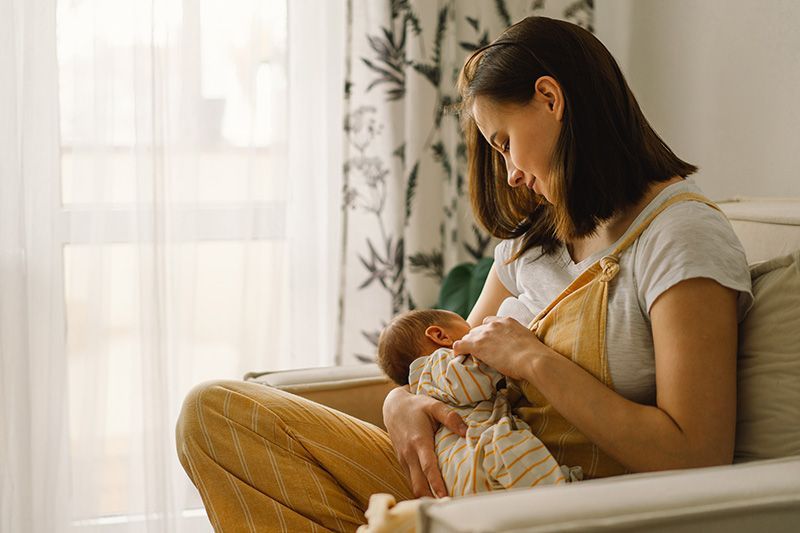
Woman breastfeeding a baby in a sunlit living room by the window

4. Energy Restoration and Fatigue Reduction


Postpartum fatigue is common due to blood loss, sleepless nights, and hormonal shifts. Acupuncture strengthens qi, replenishes blood, and promotes deeper rest, allowing mothers to recover energy more quickly.


5. Digestive Health


Acupuncture can ease constipation, bloating, or poor appetite often seen postpartum. By stimulating the digestive system, mothers absorb nutrients more effectively—key to both recovery and breastfeeding.


6. Menstrual and Fertility Regulation


Many women experience irregular or painful periods after childbirth. Acupuncture supports the gradual return of healthy menstrual cycles and can prepare the body for future fertility if desired.


Traditional Chinese Medicine View of Postpartum


In TCM, the postpartum period is sometimes referred to as “Zuo Yue Zi” or “sitting the month,” a time dedicated to rest and restoration.


  • Qi and Blood Deficiency: Pregnancy and birth deplete both qi (vital energy) and blood. Symptoms include fatigue, dizziness, and paleness. Acupuncture points such as ST36 (Zusanli) and SP6 (Sanyinjiao) are used to tonify qi and nourish blood.
  • Cold Invasion: Mothers are considered vulnerable to “cold” entering the body postpartum, which can cause chronic pain, fatigue, or digestive upset. Warming acupuncture techniques (moxibustion) help restore balance.
  • Emotional Disharmony: In TCM, the Liver system governs the smooth flow of qi and emotions. Stagnation here can lead to irritability, depression, or anxiety. Points like LR3 (Taichong) help release stagnation.


Scientific Evidence and Modern Research


While acupuncture has ancient roots, modern studies increasingly explore its effectiveness:


  • Postpartum depression: Randomized controlled trials show acupuncture significantly reduces depressive symptoms and improves quality of life in women with PPD.
  • Pain management: Studies indicate acupuncture provides measurable relief from low back pain, pelvic pain, and cesarean scar pain in postpartum women.
  • Lactation support: Research suggests acupuncture can improve prolactin secretion and increase breast milk volume.
  • Hormonal balance: Evidence points to acupuncture’s ability to modulate endocrine function, supporting the return of menstrual cycles.


Although more large-scale studies are needed, the existing research affirms acupuncture as a safe, effective adjunct for postpartum care.


What to Expect in a Postpartum Acupuncture Session

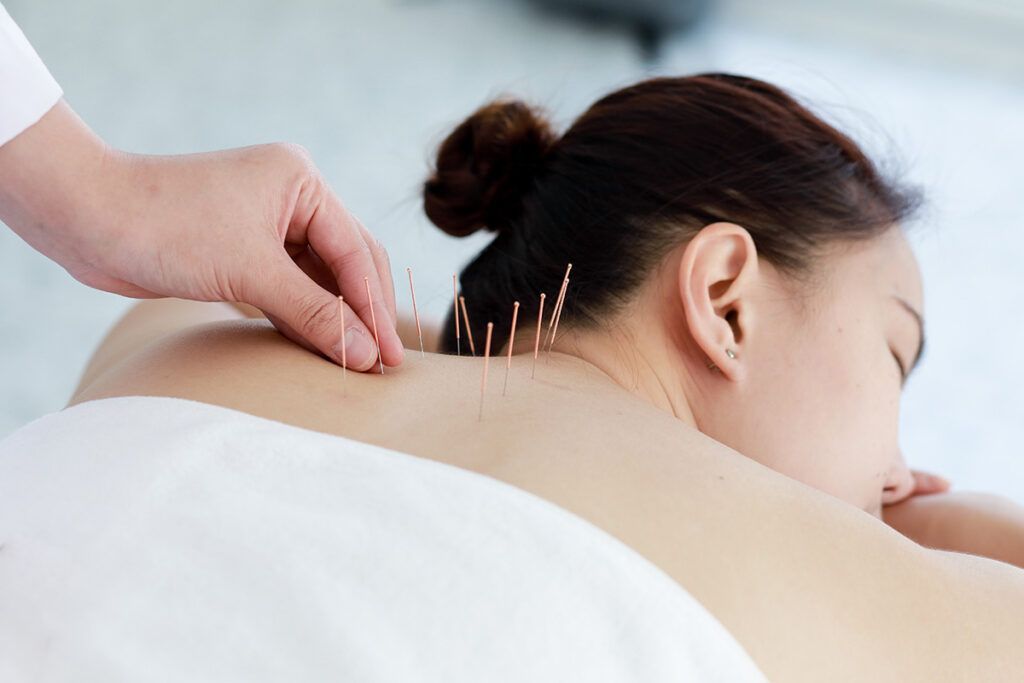
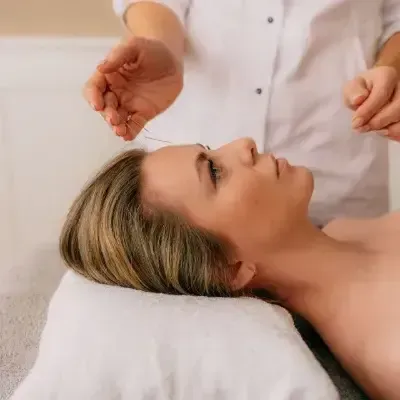
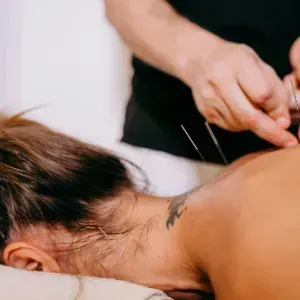
Acupuncture treatment with needles inserted in a person’s upper back and neck
  1. Initial Consultation – A practitioner reviews birth history, symptoms, breastfeeding status, sleep patterns, and emotional well-being.
  2. Pulse and Tongue Diagnosis – Standard TCM assessments help identify qi, blood, and organ imbalances.
  3. Treatment Plan – Needles are gently inserted into specific points; sessions may last 30–60 minutes.
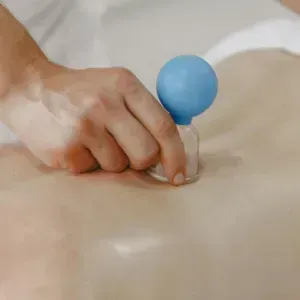
  4. Adjunctive Therapies – Techniques such as moxibustion, cupping, or herbal medicine may be recommended.
  5. Frequency – In the first 6–8 weeks postpartum, weekly treatments are common. Frequency may decrease as recovery progresses.


Safety Considerations


  • Qualified Practitioner: Always consult a licensed acupuncturist experienced in postpartum care.
  • Integration with Medical Care: Acupuncture complements, but does not replace, medical follow-up for postpartum complications.
  • Breastfeeding Safety: Acupuncture is drug-free and safe for lactating mothers.
  • Contraindications: While generally safe, some points are avoided in the early postpartum weeks depending on a woman’s condition.


Case Studies and Personal Accounts


  • Case 1: A 32-year-old woman with cesarean delivery reported significant scar pain and fatigue. After six acupuncture sessions, she experienced improved mobility, reduced pain, and better sleep.
  • Case 2: A 27-year-old mother with low milk supply found that weekly acupuncture combined with dietary therapy helped increase lactation and reduce her anxiety around feeding.
  • Case 3: A 40-year-old postpartum patient struggling with mood swings and insomnia experienced calmer emotions and deeper sleep after a month of treatment.


Such accounts highlight the holistic impact of acupuncture—not just on physical symptoms, but on overall resilience and well-being.


Complementary Practices for Optimal Postpartum Healing


Acupuncture works best when integrated into a broader self-care plan:


  • Nutrition: Eating warm, nourishing foods (soups, broths, whole grains) replenishes qi and blood.
  • Rest: Adequate sleep, when possible, is crucial for recovery.
  • Herbal Medicine: TCM herbs may be prescribed to support lactation, blood building, or emotional balance.
  • Mind-Body Practices: Meditation, gentle yoga, and breathing exercises complement acupuncture’s calming effects.
  • Community Support: Emotional support from family, friends, or postpartum doulas enhances overall recovery.


Conclusion


Postpartum recovery is more than physical healing; it is a delicate rebalancing of body, mind, and spirit. Acupuncture offers a unique, holistic approach to this critical time, addressing pain, fatigue, emotional well-being, lactation, and long-term health. By bridging ancient wisdom with modern science, acupuncture empowers mothers to recover more fully and embrace motherhood with greater vitality.


As research grows and more women seek integrative care, acupuncture is emerging not only as a therapeutic tool but as a profound ally in the journey of postpartum healing and recovery.

Older man with glasses cupping his ear, listening intently against a light background
January 16, 2026
Can acupuncture help with hearing loss? Explore current research, potential benefits, and its role as a complementary therapy alongside medical evaluation and treatment.
Person reclining under a red LED light panel, lit in intense red glow.
October 27, 2025
Learn how red light therapy and PEMF may support recovery, circulation, and wellness. Explore how these noninvasive therapies work and their potential benefits.
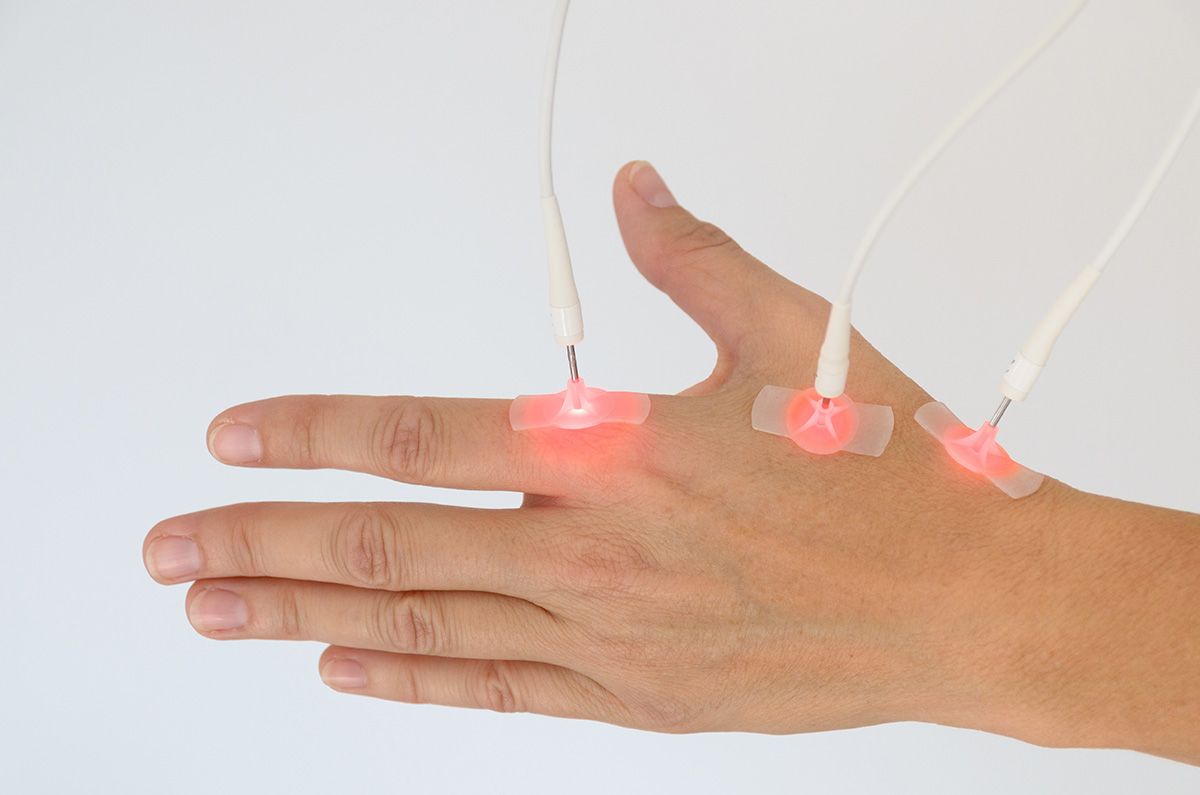
Hand with three red laser therapy probes on the back, emitting red light against a white background
October 27, 2025
Discover how laser acupuncture uses light instead of traditional needles. Explore its potential benefits for pain relief, relaxation, and holistic wellness.
Woman lying on a treatment bed with a white device attached to her abdomen.
October 13, 2025
Explore cryo slimming for body contouring and cellulite reduction. Learn how this noninvasive treatment works, its potential benefits, and what to expect.
Runners in a road race, with a smiling woman in a red tank top leading in the foreground.
October 6, 2025
Learn how acupuncture may help runners manage muscle soreness, relieve running-related pain, and support recovery, mobility, and athletic performance.
Hands holding a thin thread above metal pins, suggesting acupuncture treatment
September 28, 2025
Discover why medical doctors refer patients to acupuncturists and how acupuncture can complement conventional medicine to support pain management and overall wellness.
Dancer stretching on wooden studio floor beside mirrored wall, wearing a black outfit and pink ballet shoes
September 11, 2025
Learn how acupuncture may help dancers manage injury-related pain, ease muscle tension, and support mobility. Explore its role in dance injury recovery and rehabilitation.
Smiling patient in a hospital bed wearing a blue hair cap, with medical monitor in the background
September 9, 2025
Discover how acupuncture may support post-surgery recovery by helping manage pain, reduce discomfort, and promote relaxation as part of a personalized recovery plan.
Smiling woman with a headscarf and gray sweater indoors, with a softly blurred background
March 18, 2025
Discover how acupuncture may help cancer patients manage treatment-related symptoms, including nausea, pain, and fatigue, as part of supportive cancer care.
Thoughtful person with gray hair resting chin on hand against a light gray background
March 4, 2025
Explore acupuncture as a complementary therapy for people with autoimmune diseases. Learn about potential benefits, symptom management, and its role alongside medical care.