

Can acupuncture help with hearing loss?

January 16, 2026

Acupuncture may help support hearing health, especially for people with chronic hearing loss, tinnitus (ringing in the ears), or hearing changes linked to stress, aging, fatigue, or dizziness. It is not a guaranteed cure, and results vary from person to person, but many patients use acupuncture as a complement to medical care to improve symptoms and quality of life.

Acupuncture comes from Traditional Chinese Medicine (TCM), a system that looks at hearing as part of overall body balance rather than only a problem in the ear.

How Traditional Chinese Medicine views hearing

In TCM, the ears are connected to the Kidney system. This does not mean only the physical kidneys. In Chinese medicine, the Kidneys are responsible for:


  • Long-term energy and vitality
  • Aging and recovery
  • Nervous system support
  • Balance and stability
  • Hearing and ear health

TCM says that “the Kidneys open into the ears.” When this system is strong, hearing is clearer. When it becomes weak—often due to aging, long-term stress, poor sleep, illness, or overwork—hearing loss or tinnitus may develop.

Common patterns seen with hearing problems

Everyone is different. Your acupuncturist looks for patterns, not just symptoms. Common patterns include:

1. Age-related or long-term hearing loss

Often linked to gradual depletion of energy and vitality.

May come with fatigue, lower back weakness, or memory changes.

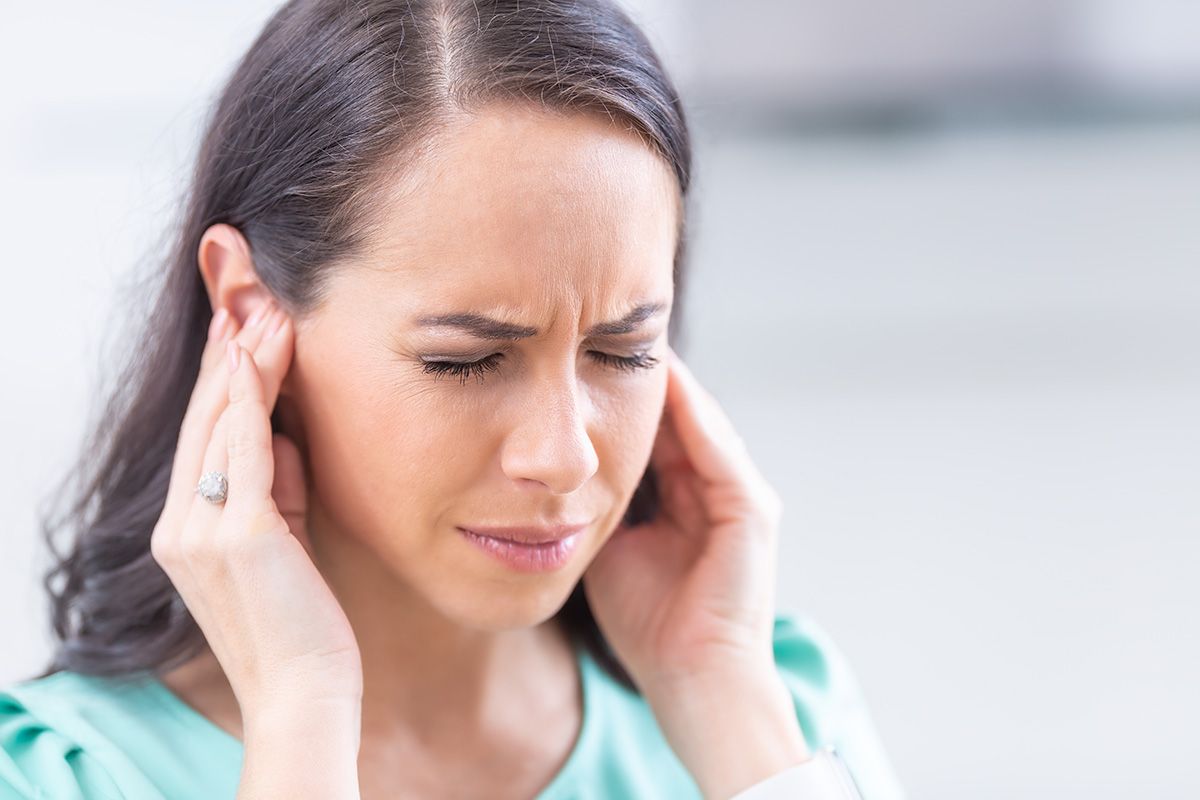
Woman pressing her temples with eyes closed, looking pained against a light background

2. Tinnitus (ringing, buzzing, humming)

Can be high-pitched or low-pitched.

May worsen with stress, poor sleep, or at night.

3. Stress-related hearing symptoms

Stress can aggravate ringing, pressure, or sound sensitivity.

4. Ear fullness or muffled hearing

Sometimes linked to congestion, dizziness, or digestive imbalance.

Your treatment plan is based on your specific pattern, not just your diagnosis.

How acupuncture may help

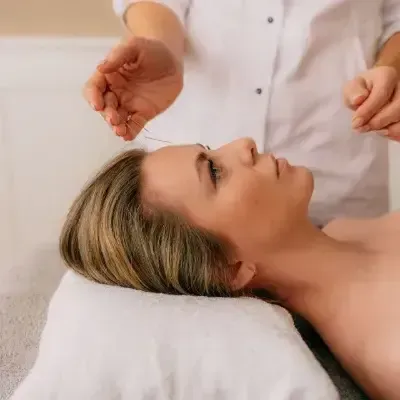
Acupuncture uses very fine needles placed at specific points on the body. For hearing concerns, treatment aims to:

  • Improve circulation to the head and ears


  • Support the body’s nervous system


  • Reduce stress and tension


  • Calm ringing or sound sensitivity


  • Support long-term energy and balance

Treatment usually includes:

  • Local points near the ears, head, and neck


  • Distal points on the arms, legs, or back to treat the root cause

This whole-body approach is central to Chinese medicine.

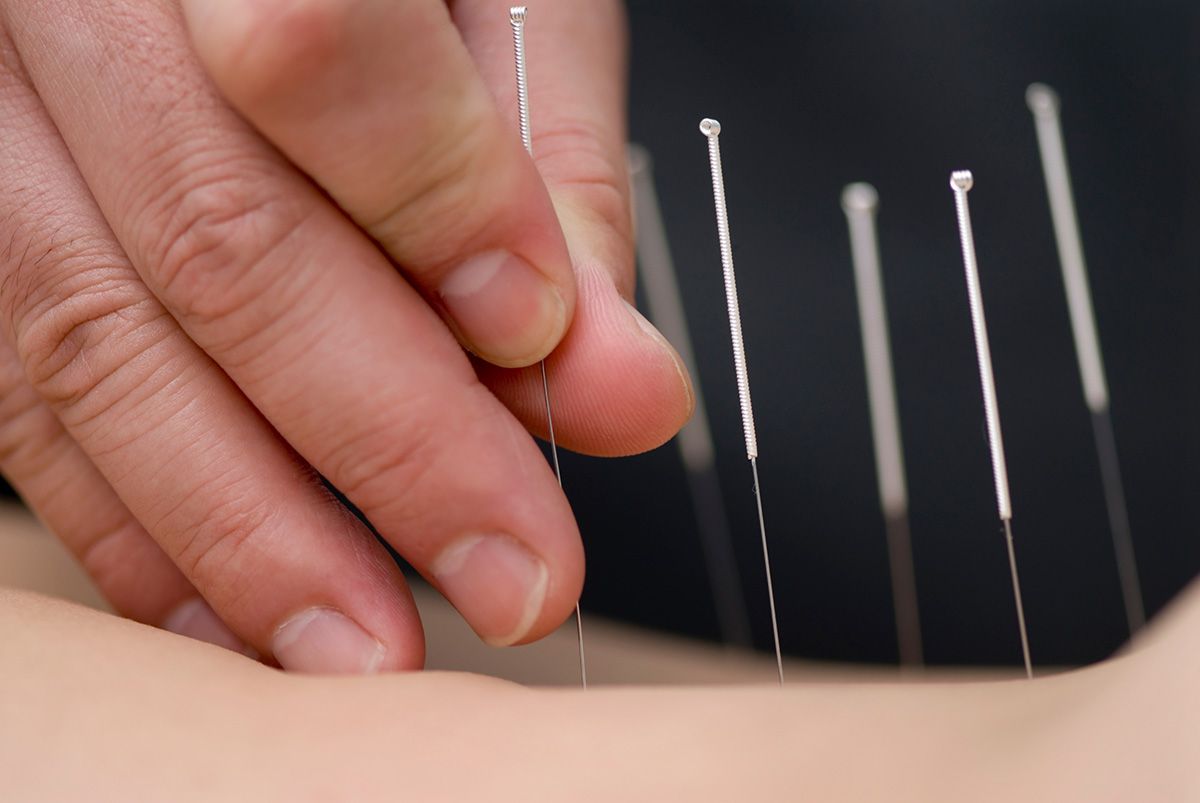
Hands placing an acupuncture needle on a person’s back

What benefits patients may notice

Results vary, but patients often report:


  • Reduced intensity or frequency of tinnitus


  • Hearing that feels more stable or clear


  • Less ear pressure or fullness


  • Improved sleep


  • Less dizziness


  • Better stress tolerance


  • Improved overall well-being


Some people notice changes quickly; others improve gradually over time.

What acupuncture cannot do

Acupuncture:


  •  Cannot reverse severe nerve damage


  •  Is not a replacement for hearing aids or medical care


  •  Is not an emergency treatment


It works best as supportive care, especially for chronic conditions.

How many treatments are needed?

This depends on:


  • How long symptoms have been present


  • Age and overall health


  • Whether symptoms are mild, moderate, or long-standing


A common plan:


  • 1–2 treatments per week at first


  • Reassessment after several weeks


  • Maintenance care if helpful


Chronic or age-related hearing loss often requires ongoing support, not one-time treatment.

Is acupuncture safe?

Yes, when performed by a licensed and trained practitioner using sterile needles. Side effects are usually mild and may include temporary soreness or relaxation.

When to seek medical care immediately

Acupuncture is not appropriate as first-line care for certain symptoms. Seek urgent medical attention if you experience:


  • Sudden hearing loss (especially in one ear)


  • Rapidly worsening hearing


  • Severe dizziness with weakness, numbness, or confusion


  • Ear pain with fever or discharge


Acupuncture can be added after medical evaluation when appropriate.

How you can support treatment

Acupuncture works best when combined with healthy habits:


  • Get adequate sleep


  • Manage stress


  • Avoid excessive noise exposure


  • Take breaks from overwork


  • Eat regularly and stay hydrated


  • Follow your practitioner’s recommendations

Small lifestyle changes can make a big difference.

Smiling couple embracing outdoors under a bright sky

Summary

Acupuncture offers a whole-body approach to hearing loss and tinnitus. While it may not restore hearing in all cases, it can help reduce symptoms, improve comfort, and support overall balance—especially when used alongside conventional medical care.

If you have questions about whether acupuncture is right for your hearing concerns, talk with your acupuncturist or healthcare provider.

Person reclining under a red LED light panel, lit in intense red glow.
October 27, 2025
Learn how red light therapy and PEMF may support recovery, circulation, and wellness. Explore how these noninvasive therapies work and their potential benefits.
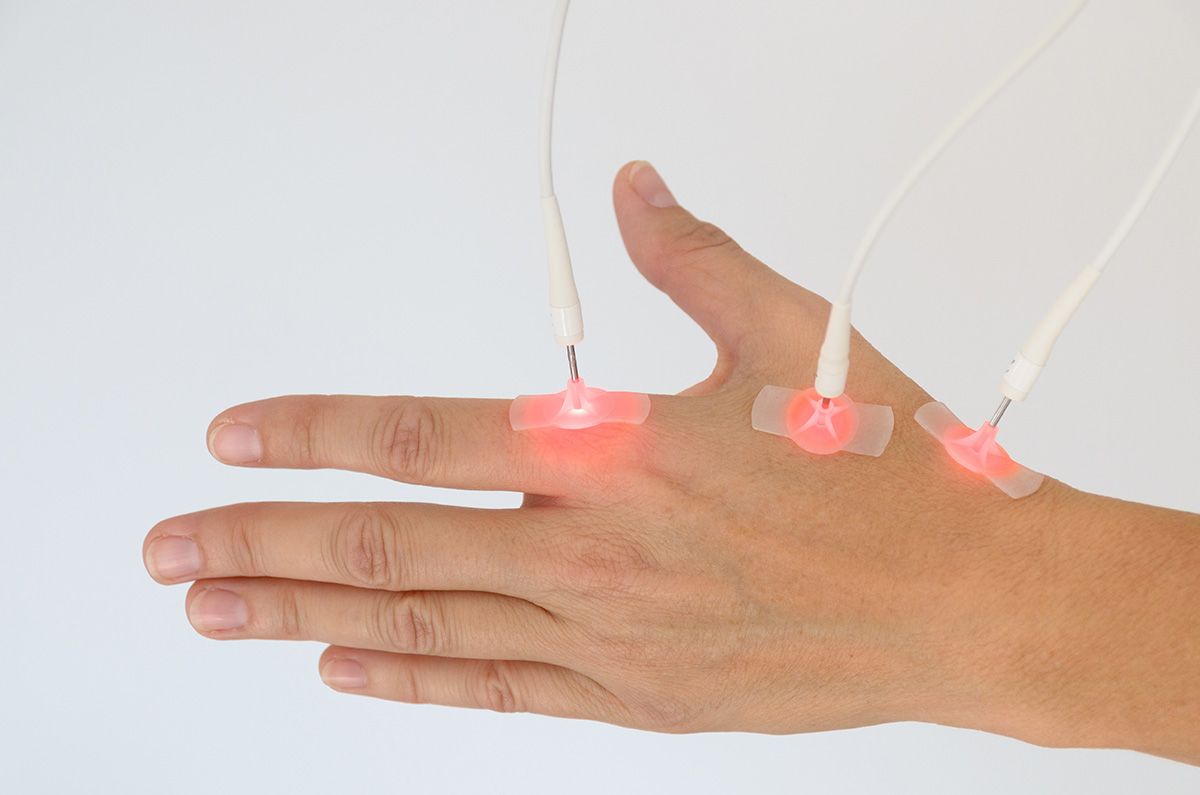
Hand with three red laser therapy probes on the back, emitting red light against a white background
October 27, 2025
Discover how laser acupuncture uses light instead of traditional needles. Explore its potential benefits for pain relief, relaxation, and holistic wellness.
Woman lying on a treatment bed with a white device attached to her abdomen.
October 13, 2025
Explore cryo slimming for body contouring and cellulite reduction. Learn how this noninvasive treatment works, its potential benefits, and what to expect.
Runners in a road race, with a smiling woman in a red tank top leading in the foreground.
October 6, 2025
Learn how acupuncture may help runners manage muscle soreness, relieve running-related pain, and support recovery, mobility, and athletic performance.
Hands holding a thin thread above metal pins, suggesting acupuncture treatment
September 28, 2025
Discover why medical doctors refer patients to acupuncturists and how acupuncture can complement conventional medicine to support pain management and overall wellness.
Woman in a hospital bed smiling at her newborn baby wrapped in a white blanket
September 19, 2025
Explore how acupuncture may support postpartum recovery by promoting relaxation, easing muscle tension, and complementing personalized care for new mothers.
Dancer stretching on wooden studio floor beside mirrored wall, wearing a black outfit and pink ballet shoes
September 11, 2025
Learn how acupuncture may help dancers manage injury-related pain, ease muscle tension, and support mobility. Explore its role in dance injury recovery and rehabilitation.
Smiling patient in a hospital bed wearing a blue hair cap, with medical monitor in the background
September 9, 2025
Discover how acupuncture may support post-surgery recovery by helping manage pain, reduce discomfort, and promote relaxation as part of a personalized recovery plan.
Smiling woman with a headscarf and gray sweater indoors, with a softly blurred background
March 18, 2025
Discover how acupuncture may help cancer patients manage treatment-related symptoms, including nausea, pain, and fatigue, as part of supportive cancer care.
Thoughtful person with gray hair resting chin on hand against a light gray background
March 4, 2025
Explore acupuncture as a complementary therapy for people with autoimmune diseases. Learn about potential benefits, symptom management, and its role alongside medical care.