The Benefits of Acupuncture Post-Surgery: A Holistic Approach to Recovery

September 9, 2025

Introduction


Surgical interventions, whether minor or major, place significant strain on the body. While advances in modern medicine have made procedures safer and recovery times shorter, post-surgical patients often face an array of challenges—pain, swelling, limited mobility, nausea, fatigue, stress, and, in some cases, delayed healing. Traditional medical approaches focus on pharmacological management, physical therapy, and wound care. However, an increasing number of patients and healthcare providers are turning toward complementary therapies to enhance recovery outcomes.


One such therapy is acupuncture, a centuries-old practice rooted in Traditional Chinese Medicine (TCM). Acupuncture involves inserting fine, sterile needles into specific points on the body to restore balance, improve energy flow (qi), and stimulate the body’s natural healing mechanisms. In recent decades, research has explored acupuncture’s role in post-operative care, revealing significant benefits that complement conventional medicine.


This article explores the scientific, physiological, and psychological benefits of acupuncture post-surgery, highlighting how it can support healing, improve quality of life, and potentially reduce dependence on pharmaceuticals.


Pain Management and Analgesia


Reducing Post-Surgical Pain


Pain is one of the most common and debilitating post-surgical symptoms. Conventional pain management often relies heavily on opioid medications, which, while effective, carry risks such as dependency, nausea, constipation, and respiratory depression. Acupuncture has emerged as a safe adjunct therapy that can reduce pain intensity and improve patient comfort.


Studies have shown that acupuncture stimulates the release of endorphins and enkephalins, natural pain-relieving chemicals produced by the body. It also influences the central nervous system, modulating pain perception pathways. Patients who receive acupuncture after surgery frequently report reduced reliance on opioids and improved tolerance of discomfort.


Targeted Pain Relief


Unlike medications that work systemically, acupuncture can provide localized relief by stimulating points near the surgical site or related meridians. For example, patients recovering from knee replacement surgery may benefit from points that target inflammation and stiffness around the joint, while those undergoing abdominal surgery may experience relief through points affecting digestion and circulation.


Reducing Inflammation and Swelling

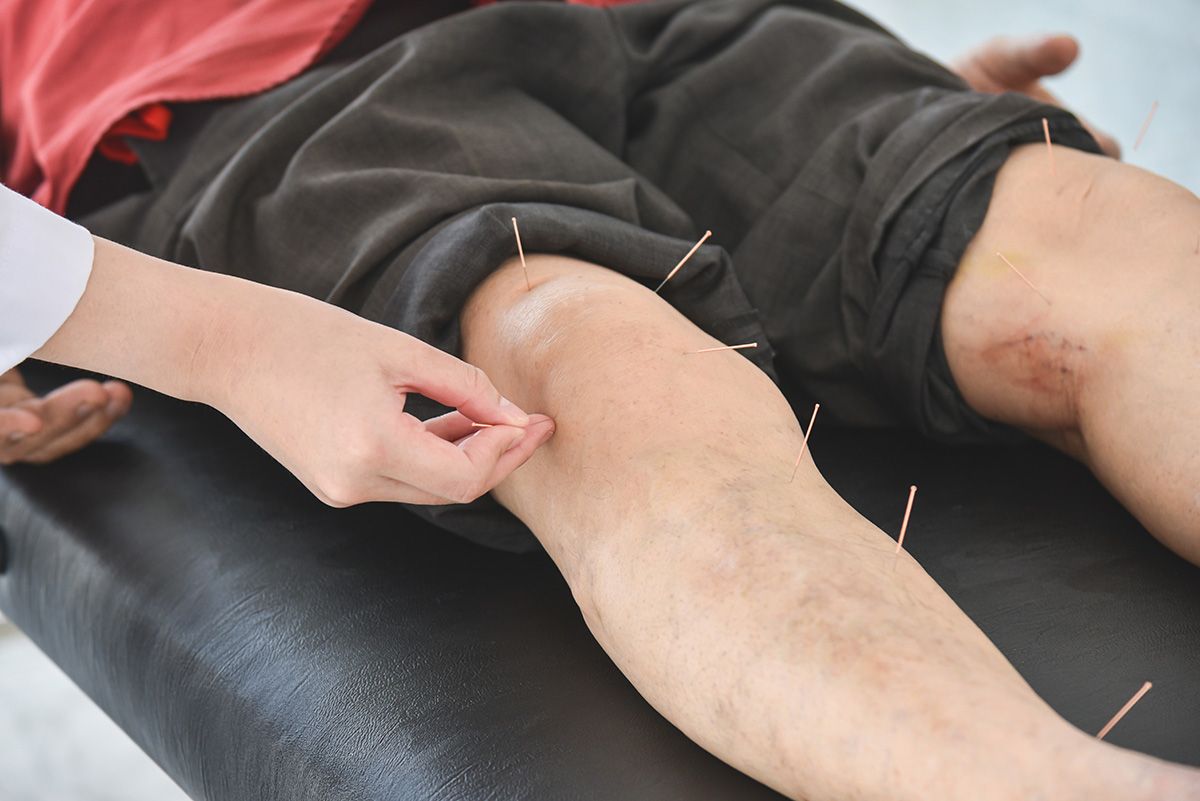
Acupuncturist placing needles in a patient’s lower leg on a treatment table

Post-surgical inflammation is a natural response that promotes healing but can become excessive, leading to pain, swelling, and restricted mobility. Acupuncture influences the release of cytokines and inflammatory mediators, thereby regulating the immune response and reducing excessive inflammation.


By promoting blood circulation and lymphatic drainage, acupuncture helps clear metabolic waste and fluids that accumulate after surgery. This not only reduces swelling but also enhances tissue repair and recovery speed.


Nausea and Vomiting Control


Postoperative Nausea and Vomiting (PONV)


One of the most frequent and distressing side effects of surgery, particularly under general anesthesia, is nausea and vomiting. These symptoms not only impair patient comfort but also increase the risk of complications such as dehydration, wound dehiscence, and aspiration.


Acupuncture, particularly at the P6 (Neiguan) point on the inner wrist, has been extensively studied for its antiemetic effects. Clinical trials and systematic reviews have demonstrated that stimulating this point can significantly reduce the incidence and severity of PONV, making acupuncture a valuable non-pharmacological tool in recovery protocols.


Enhanced Wound Healing and Tissue Repair


Improving Circulation


Surgical wounds require optimal circulation to deliver oxygen, nutrients, and immune cells to the site of injury. Acupuncture promotes microcirculation, ensuring tissues receive the resources necessary for efficient healing.


Collagen Production and Scar Management


Some studies suggest that acupuncture may stimulate fibroblast activity, enhancing collagen production, which plays a crucial role in tissue repair. Patients may also experience improved scar flexibility and reduced adhesions, leading to better cosmetic and functional outcomes.


Restoring Mobility and Function

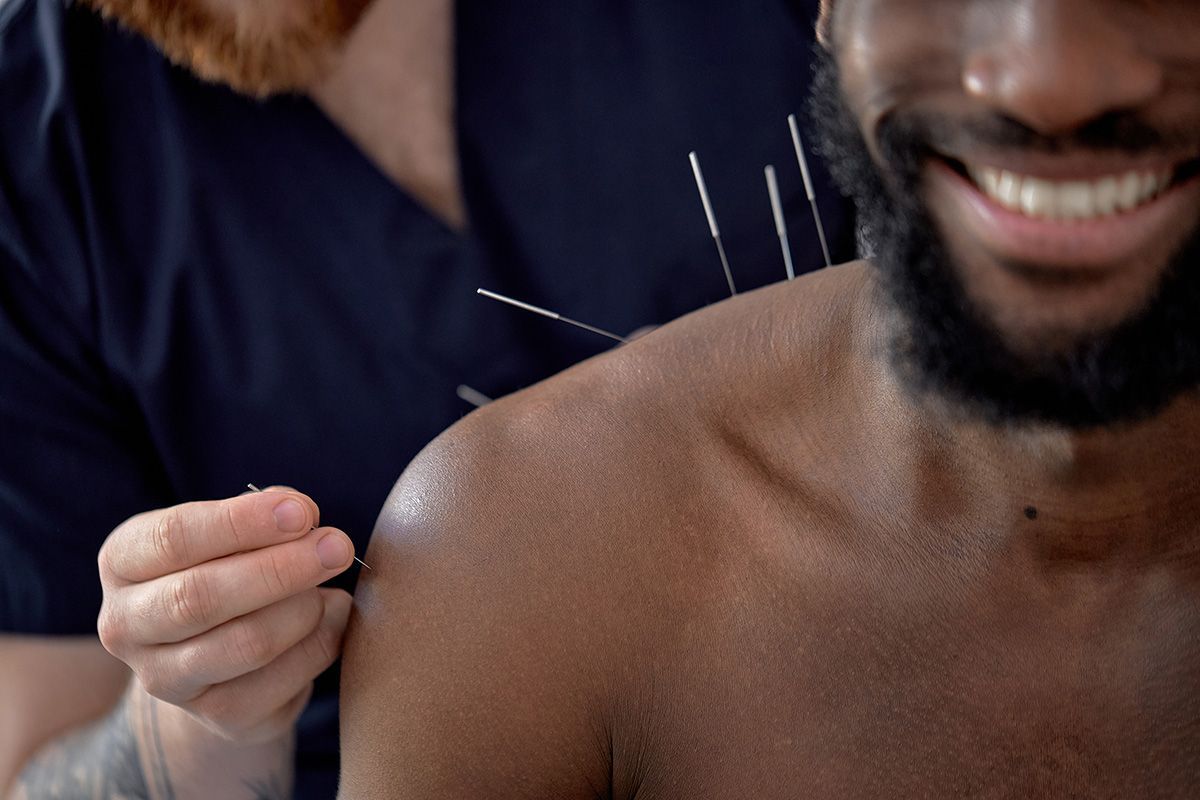
Acupuncture needle being inserted into a smiling person's shoulder by a practitioner

Musculoskeletal Recovery


Many surgical procedures, such as orthopedic surgeries, can result in stiffness, restricted range of motion, and delayed mobility. Acupuncture helps relax muscles, reduce tension, and stimulate nerve regeneration, supporting faster return to normal function.


Neurological Rehabilitation


For surgeries involving the nervous system—such as spine or brain procedures—acupuncture may aid in nerve recovery and reduce neuropathic pain. Its neuro-modulatory effects can encourage functional restoration and improved quality of life.


Stress Reduction and Emotional Well-being


Psychological Impact of Surgery


Surgery is not only physically taxing but also emotionally challenging. Anxiety before surgery, stress during recovery, and even depression due to limited mobility or prolonged healing can affect patient outcomes.


Acupuncture has well-documented benefits in reducing stress and anxiety by regulating the hypothalamic-pituitary-adrenal (HPA) axis and lowering cortisol levels. Patients often describe sessions as deeply relaxing, with improvements in mood, sleep quality, and resilience during recovery.


Supporting Holistic Healing


Unlike purely physical interventions, acupuncture addresses the mind-body connection, ensuring that patients experience emotional and psychological support as they recover. This holistic effect can foster positive attitudes, which in turn have been shown to accelerate healing.

Person receiving a facial massage with closed eyes, hands gently pressing temples and forehead

Reducing Dependence on Medications


Limiting Side Effects


While painkillers, antiemetics, and anti-inflammatories are essential in post-surgical care, they come with side effects and risks. Acupuncture provides a drug-free alternative or adjunct, helping reduce dosages needed for symptom control.


This is particularly beneficial for patients with medication sensitivities, those at risk of dependency, or those undergoing multiple procedures requiring long-term pharmacological support.


Immune System Support


Surgery temporarily weakens the immune system due to stress, anesthesia, and tissue trauma. Acupuncture has been shown to modulate immune function, enhancing white blood cell activity, boosting natural killer (NK) cell activity, and improving resistance to infections.


This immune-regulating effect may be particularly valuable for vulnerable patients, such as the elderly, those with chronic illnesses, or individuals undergoing cancer-related surgeries.


Evidence from Research


Clinical Studies


  • A systematic review in the British Journal of Anaesthesia highlighted that acupuncture and acupressure significantly reduce postoperative nausea and vomiting.
  • Studies in orthopedic patients show that acupuncture reduces post-surgical pain scores and accelerates rehabilitation.
  • Research on cardiac surgery patients has demonstrated acupuncture’s effectiveness in reducing arrhythmias, chest pain, and fatigue.


Integration into Hospitals


An increasing number of hospitals and surgical centers are incorporating acupuncture into perioperative care. In some cases, acupuncturists are part of the multidisciplinary surgical team, providing care before and after surgery to optimize outcomes.


Practical Considerations for Post-Surgical Acupuncture


Timing of Treatment


Acupuncture can be safely initiated soon after surgery, though timing depends on the patient’s condition, type of surgery, and medical approval. Early sessions may focus on nausea and pain control, while later sessions can target mobility, healing, and emotional support.


Safety and Sterility


When performed by a licensed professional, acupuncture is extremely safe. The use of sterile, single-use needles eliminates the risk of infection. However, practitioners must take into account surgical wounds, IV lines, and medical contraindications.


Customization


Treatment is highly individualized, with point selection tailored to the patient’s surgical site, symptoms, and overall constitution. This personalized approach ensures optimal results compared to one-size-fits-all interventions.


The Broader Value of Integrative Medicine


Acupuncture exemplifies how traditional and modern medicine can coexist to provide patients with the best possible care. By addressing gaps in conventional post-surgical care—such as minimizing medication side effects, enhancing emotional resilience, and supporting natural healing—acupuncture represents a valuable bridge between science and holistic wellness.


Patients who receive integrative care often report greater satisfaction, improved outcomes, and a more empowered role in their recovery journey.


Conclusion


Post-surgical recovery is a multifaceted process involving pain management, wound healing, mobility restoration, emotional resilience, and immune support. While modern medicine offers powerful tools to manage these challenges, acupuncture adds a unique, natural, and effective dimension to recovery care.


By reducing pain and nausea, regulating inflammation, enhancing circulation, supporting mental health, and boosting immune function, acupuncture enables patients to recover more comfortably, quickly, and holistically.


As research continues to validate its efficacy and more healthcare institutions adopt integrative approaches, acupuncture is poised to play an increasingly prominent role in post-surgical rehabilitation. For patients and clinicians alike, embracing this ancient practice alongside modern medicine may be the key to optimal recovery and long-term well-being.


Older man with glasses cupping his ear, listening intently against a light background
January 16, 2026
Can acupuncture help with hearing loss? Explore current research, potential benefits, and its role as a complementary therapy alongside medical evaluation and treatment.
Person reclining under a red LED light panel, lit in intense red glow.
October 27, 2025
Learn how red light therapy and PEMF may support recovery, circulation, and wellness. Explore how these noninvasive therapies work and their potential benefits.
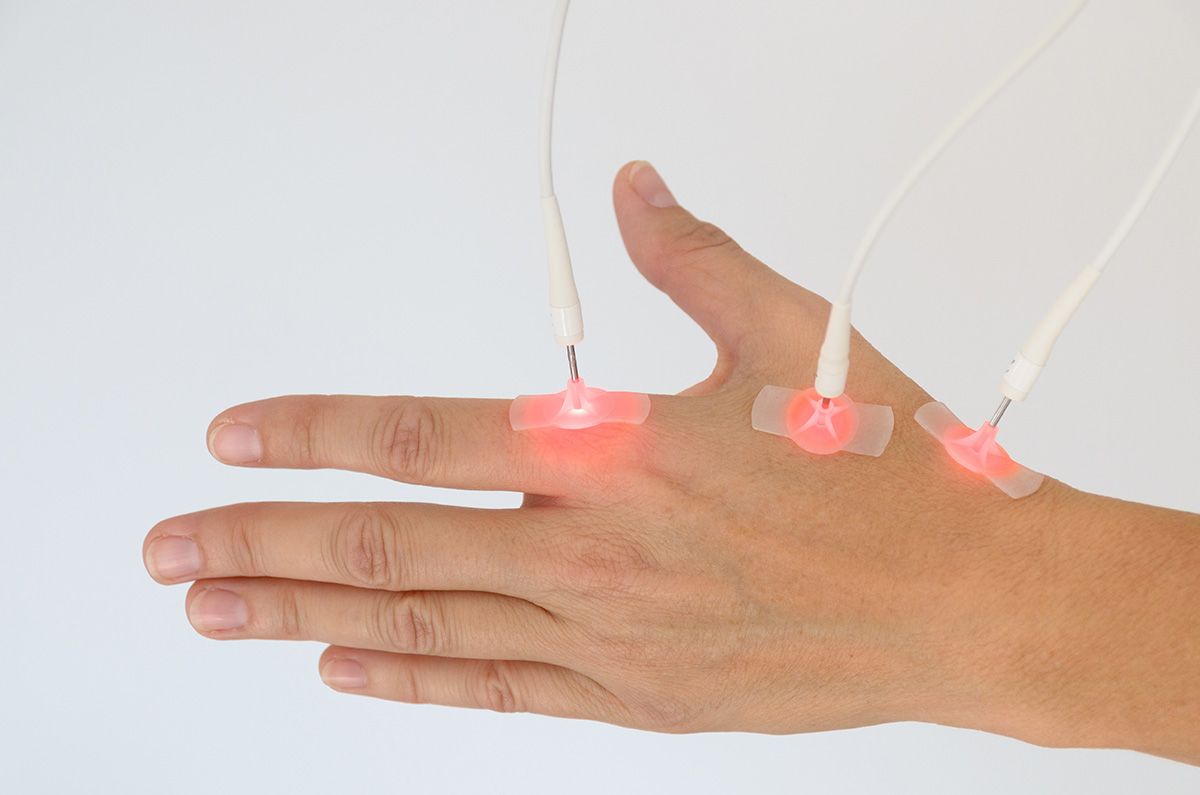
Hand with three red laser therapy probes on the back, emitting red light against a white background
October 27, 2025
Discover how laser acupuncture uses light instead of traditional needles. Explore its potential benefits for pain relief, relaxation, and holistic wellness.
Woman lying on a treatment bed with a white device attached to her abdomen.
October 13, 2025
Explore cryo slimming for body contouring and cellulite reduction. Learn how this noninvasive treatment works, its potential benefits, and what to expect.
Runners in a road race, with a smiling woman in a red tank top leading in the foreground.
October 6, 2025
Learn how acupuncture may help runners manage muscle soreness, relieve running-related pain, and support recovery, mobility, and athletic performance.
Hands holding a thin thread above metal pins, suggesting acupuncture treatment
September 28, 2025
Discover why medical doctors refer patients to acupuncturists and how acupuncture can complement conventional medicine to support pain management and overall wellness.
Woman in a hospital bed smiling at her newborn baby wrapped in a white blanket
September 19, 2025
Explore how acupuncture may support postpartum recovery by promoting relaxation, easing muscle tension, and complementing personalized care for new mothers.
Dancer stretching on wooden studio floor beside mirrored wall, wearing a black outfit and pink ballet shoes
September 11, 2025
Learn how acupuncture may help dancers manage injury-related pain, ease muscle tension, and support mobility. Explore its role in dance injury recovery and rehabilitation.
Smiling woman with a headscarf and gray sweater indoors, with a softly blurred background
March 18, 2025
Discover how acupuncture may help cancer patients manage treatment-related symptoms, including nausea, pain, and fatigue, as part of supportive cancer care.
Thoughtful person with gray hair resting chin on hand against a light gray background
March 4, 2025
Explore acupuncture as a complementary therapy for people with autoimmune diseases. Learn about potential benefits, symptom management, and its role alongside medical care.