


Understanding Dry Needling: A Guide to Relieving Muscle Pain and Improving Mobility
October 6, 2024

Dry needling is a therapeutic technique used by physical therapists, chiropractors, and other healthcare providers to treat musculoskeletal pain and dysfunction. It involves the insertion of thin, solid needles into myofascial trigger points—tight bands of muscle that can refer pain to other areas of the body. While it is often compared to acupuncture, dry needling is rooted in Western medicine and focuses primarily on the treatment of muscle pain and trigger points. Below is an extensive exploration of how dry needling helps alleviate pain.


1. Understanding Dry Needling


a. Definition


Dry needling targets myofascial trigger points, which are hyperirritable spots in skeletal muscle associated with palpable nodules in taut bands of muscle fibers. These trigger points can cause local and referred pain, leading to a variety of musculoskeletal issues. The technique involves inserting a needle into the skin and muscle without injecting any substance, hence the term “dry.”


b. Historical Context


Dry needling has its origins in the work of Dr. Janet Travell, a physician who extensively studied myofascial pain and trigger points. Her research in the mid-20th century laid the groundwork for the development of this technique. Over the years, dry needling has gained popularity due to its effectiveness in pain management and muscle rehabilitation.

2. Mechanisms of Action


Dry needling is thought to help alleviate pain through several physiological mechanisms. Understanding these mechanisms can provide insight into how this technique works.


a. Trigger Point Deactivation


When a needle is inserted into a trigger point, it can cause a local twitch response, which is an involuntary muscle contraction. This twitch response is believed to help deactivate the trigger point, reducing muscle tension and pain. The mechanical stimulation of the needle may also disrupt the tight bands of muscle fibers, promoting relaxation and improved blood flow.


b. Increased Blood Flow


The insertion of needles into the muscle can enhance local blood circulation. Improved blood flow brings oxygen and nutrients to the tissue while aiding in the removal of metabolic waste products. This can help reduce inflammation and promote healing in the affected muscles.


c. Pain Gate Theory


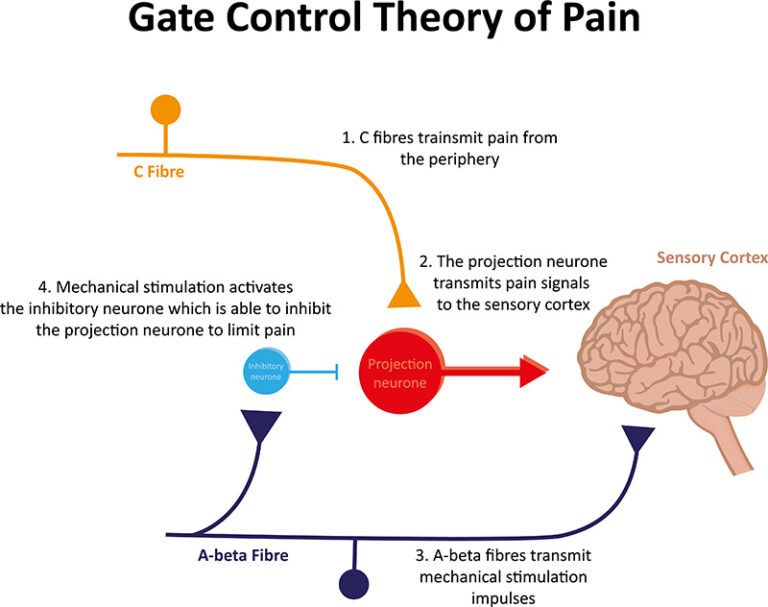
According to the pain gate control theory, the stimulation of sensory fibers by dry needling may help close the “gate” to pain signals being transmitted to the brain. By activating larger sensory fibers, the brain can prioritize these non-painful signals over the pain signals, leading to a reduction in perceived pain.


d. Endorphin Release


Dry needling may stimulate the release of endorphins, the body’s natural painkillers. Endorphins can bind to opioid receptors in the brain, reducing the perception of pain and promoting a sense of well-being.


e. Neuromuscular Re-education


Dry needling can also facilitate neuromuscular re-education. By addressing dysfunctional muscle patterns and trigger points, it can help restore normal muscle function and improve overall movement patterns.

Diagram of gate control theory of pain with sensory, C, and A-beta fibers sending signals to the brain.

3. Conditions Treated with Dry Needling


Dry needling can be effective for a variety of conditions, particularly those related to musculoskeletal pain. Some common conditions treated include:


a. Myofascial Pain Syndrome


Myofascial pain syndrome is characterized by the presence of trigger points and can lead to chronic pain in specific muscle groups. Dry needling can directly target these trigger points, providing pain relief and improving muscle function.


b. Tension Headaches


Tension headaches can often be linked to tightness in the neck and shoulder muscles. Dry needling can help release tension in these areas, potentially reducing the frequency and intensity of headaches.


c. Chronic Low Back Pain


Low back pain is a common complaint that can be exacerbated by muscle tightness and trigger points. Dry needling can target the muscles in the lower back, providing relief and improving mobility.


d. Sports Injuries


Athletes often develop trigger points due to repetitive movements and muscle strain. Dry needling can help address these trigger points, facilitating faster recovery and improved performance.


e. Neck and Shoulder Pain


Conditions such as cervical radiculopathy and shoulder impingement can benefit from dry needling. By targeting the muscles surrounding these areas, practitioners can alleviate pain and improve range of motion.

Cyclist in black gear bending over beside a road bike on a mountain road, resting after a ride

4. The Dry Needling Procedure


The dry needling procedure typically involves several steps:


a. Assessment


Before treatment, a thorough assessment is conducted to identify the source of pain and determine the appropriate trigger points to target. The practitioner may ask about the patient’s medical history, perform a physical examination, and assess movement patterns.


b. Needle Insertion


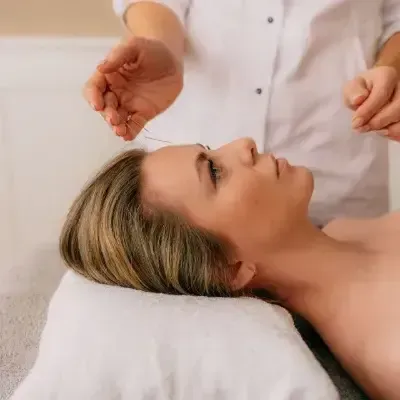
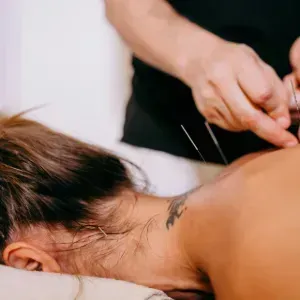
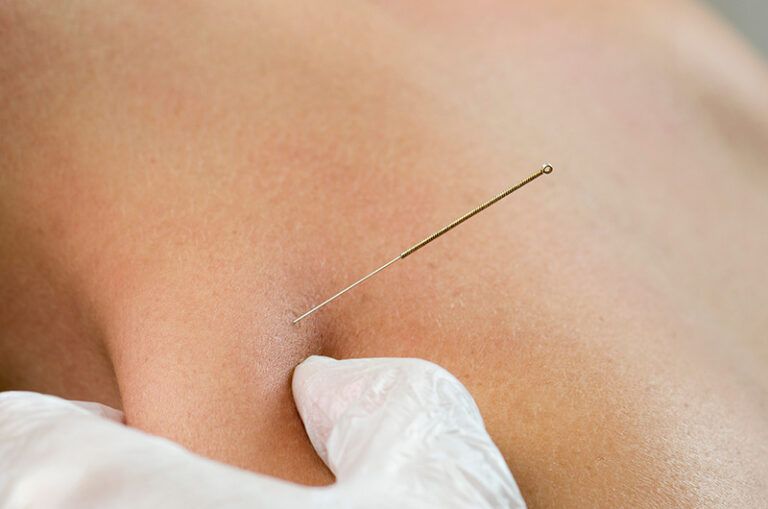
Once the trigger points are identified, the practitioner will insert a thin, sterile needle into the skin and muscle. The depth of insertion may vary depending on the location of the trigger point and the muscle involved. Patients may experience a slight prick or twitch sensation, which is generally well-tolerated.


c. Treatment Duration


Needles are usually left in place for a short duration, typically ranging from a 25-35 minutes.


d. Post-Treatment Care


After the session, patients may be advised on post-treatment care, which may include stretching, rest, and hydration. It is common to experience mild soreness in the treated area, similar to post-exercise soreness.

Acupuncture needle inserted into skin near a white-gloved hand

5. Research and Evidence


Numerous studies have explored the effectiveness of dry needling for pain management. Here are some key findings:


– A systematic review published in the *Journal of Orthopaedic & Sports Physical Therapy* found that dry needling was effective in reducing pain and improving function in patients with chronic myofascial pain.


– Another study in the *Archives of Physical Medicine and Rehabilitation* indicated that dry needling significantly reduced pain intensity and improved range of motion in patients with myofascial trigger points.


– Research published in *Pain Medicine* demonstrated that dry needling could provide significant pain relief and functional improvement in patients with chronic low back pain.


6. Safety and Considerations


Dry needling is generally considered safe when performed by trained professionals. However, there are some considerations to keep in mind:


a. Potential Side Effects


Common side effects may include soreness, bruising, or minor bleeding at the insertion site. These effects are usually temporary and resolve on their own.


b. Contraindications


Certain conditions may contraindicate dry needling, including:


– Pregnancy


– Bleeding disorders


– Skin infections


– Recent surgery in the treatment area


It is crucial for practitioners to conduct a thorough assessment to identify any contraindications before proceeding with treatment.

7. Conclusion


Dry needling has emerged as a valuable technique for managing pain and dysfunction related to musculoskeletal conditions. By targeting myofascial trigger points, it can help deactivate painful muscle knots, improve blood flow, and promote healing. The combination of physiological mechanisms involved in dry needling contributes to its effectiveness in pain relief.


As research continues to support the benefits of this technique, more individuals are discovering the potential of dry needling as part of their pain management and rehabilitation strategies. When combined with other therapeutic modalities, such as physical therapy and exercise, dry needling can play a significant role in helping individuals achieve lasting relief from pain and improved quality of life. 


Lee Schwalb is a licensed acupuncturist with over twenty years of clinical experience. He specializes in trigger point/dry needling therapy for musculoskeletal pain disorders. 

Couple riding a bicycle through a bright alley, smiling with arms raised
Older man with glasses cupping his ear, listening intently against a light background
January 16, 2026
Acupuncture may help support hearing health, especially for people with chronic hearing loss, tinnitus (ringing in the ears), or hearing changes linked to stress, aging, fatigue, or dizziness. It is not a guaranteed cure, and results vary from person to person, but many patients use acupuncture as a complement to medical care to improve symptoms and quality of life.
Person reclining under a red LED light panel, lit in intense red glow.
October 27, 2025
In the realm of alternative and complementary medicine, two therapies are gaining significant attention for their potential to promote healing, reduce pain, and optimize wellness without the use of pharmaceuticals or invasive procedures: Red Light Therapy (RLT) and Pulsed Electromagnetic Field Therapy (PEMF). Both modalities tap into fundamental forces of nature—light and electromagnetism—to stimulate the body’s natural ability to repair and regenerate. While each therapy works differently, they share a common goal: improving cellular function and overall well-being.
Hand with three red laser therapy probes on the back, emitting red light against a white background
October 27, 2025
For thousands of years, acupuncture has been a cornerstone of Traditional Chinese Medicine (TCM), using fine needles to stimulate specific points on the body to restore balance, relieve pain, and improve overall well-being. In recent decades, technological advancements have introduced a modern variation known as acupuncture laser therapy (also called laser acupuncture). Instead of inserting needles, this therapy uses low-level laser beams to stimulate acupuncture points.
Woman lying on a treatment bed with a white device attached to her abdomen.
October 13, 2025
In the modern world, where beauty ideals often emphasize toned physiques and smooth skin, the demand for non-invasive body contouring treatments has skyrocketed. One treatment leading the way is cryo slimming—also known as cryolipolysis or “fat freezing.” Originally developed as a safe alternative to liposuction, cryo slimming has gained global recognition for its ability to eliminate stubborn fat deposits and reduce the appearance of cellulite without the risks and downtime of surgery.  This article explores the science behind cryo slimming , its benefits for weight management and cellulite reduction, and why it has become a preferred choice for those seeking a slimmer, firmer figure.
Runners in a road race, with a smiling woman in a red tank top leading in the foreground.
October 6, 2025
R unning is one of the most accessible and rewarding forms of exercise. Whether you’re training for a marathon, jogging for fitness, or sprinting on the track, running places unique demands on the body. The repetitive impact on joints, muscles, and connective tissues can lead to a range of challenges, from soreness and tightness to overuse injuries. This is where acupuncture—a cornerstone of Traditional Chinese Medicine (TCM)—has emerged as a powerful ally for runners seeking recovery, pain relief, and performance optimization. In this article, we’ll explore the science and practice of acupuncture, examine its specific benefits for runners , and provide practical guidance for incorporating it into a training routine. Understanding Acupuncture What Is Acupuncture? Acupuncture involves the insertion of fine, sterile needles into specific points on the body, known as acupoints. In TCM, these points lie along meridians—pathways through which qi (vital energy) flows. Blockages or imbalances in qi are thought to contribute to pain and dysfunction. By stimulating these acupoints, acupuncture aims to restore balance, promote circulation, and enhance healing. From a Western medical perspective, acupuncture stimulates nerves, muscles, and connective tissue. Research suggests it can increase blood flow, trigger the release of endorphins (natural painkillers), reduce inflammation, and modulate the nervous system. Why Runners Are Turning to Acupuncture Running can be exhilarating, but it’s also demanding. Here are some reasons runners are embracing acupuncture: Chronic tightness and soreness: Repetitive movement can create imbalances, leaving muscles stiff or tender. Overuse injuries: Shin splints, plantar fasciitis, IT band syndrome, and Achilles tendonitis are common running-related issues. Performance plateaus: When progress stalls, acupuncture can provide a reset by reducing tension and enhancing recovery. Stress management: Mental resilience is as important as physical strength in running. Acupuncture helps reduce stress and improve sleep. The Benefits of Acupuncture for Runners 1. Pain Relief and Injury Recovery One of acupuncture’s most well-documented effects is pain reduction. For runners dealing with shin splints, knee pain, or strained muscles, acupuncture can: Stimulate endorphin release to reduce pain perception. Increase local circulation, delivering oxygen and nutrients to injured tissues. Relax tight muscles and break up adhesions in fascia. Studies have shown that acupuncture is effective in reducing musculoskeletal pain , making it a valuable adjunct to physical therapy and rest. 2. Improved Circulation and Faster Recovery Running creates micro-tears in muscles that need time and resources to repair. Acupuncture enhances blood flow and lymphatic drainage, speeding up recovery. This means: Reduced post-run soreness (delayed onset muscle soreness, or DOMS). Shorter recovery windows between training sessions. Lower risk of lingering fatigue. 3. Reduction of Inflammation Inflammation is a double-edged sword: it’s part of healing but can be painful and slow progress if excessive. Acupuncture has been shown to modulate inflammatory pathways, helping runners manage conditions like: Plantar fasciitis Achilles tendonitis Runner’s knee (patellofemoral pain syndrome) By controlling inflammation, acupuncture helps runners get back to training sooner. 4. Enhanced Flexibility and Mobility Tight hip flexors, hamstrings, and calves are common issues for runners. Acupuncture, particularly when combined with dry needling techniques, can: Release trigger points (knots) in muscles. Improve joint range of motion. Reduce compensatory movement patterns that lead to injury. 5. Stress Relief and Mental Focus Running isn’t just physical—it’s deeply mental. Pre-race anxiety, training stress, and lifestyle pressures can take a toll. Acupuncture helps by: Activating the parasympathetic nervous system (“rest and digest” mode). Regulating cortisol levels, reducing stress. Promoting deeper, more restorative sleep. Runners often report feeling calmer, more focused, and mentally resilient after regular acupuncture treatments. 6. Hormonal and Energy Balance For long-distance runners especially, hormonal balance is critical. Excessive training can disrupt menstrual cycles, testosterone levels, or thyroid function. Acupuncture helps regulate endocrine function and restore balance, supporting: Stable energy levels. Improved recovery. Healthy immune function. Common Running Injuries Acupuncture Can Address 
Hands holding a thin thread above metal pins, suggesting acupuncture treatment
September 28, 2025
For centuries, Western medicine and traditional healing practices often stood at opposite ends of the health spectrum. Conventional medicine, grounded in scientific methodology, emphasizes pharmaceuticals, surgery, and evidence-based guidelines. Acupuncture, on the other hand, originates from traditional Chinese medicine (TCM) and involves stimulating specific points on the body to restore balance and promote healing. Historically, many physicians viewed acupuncture with skepticism, dismissing it as unscientific or placebo-driven. Yet over the past few decades, a remarkable shift has occurred. Increasingly, medical doctors are referring patients to licensed acupuncturists. This trend is not an abandonment of science but rather a reflection of a growing body of research, patient demand, and the recognition that healthcare works best when it is holistic. In this article, we will explore in depth the reasons why medical doctors choose to refer their patients to acupuncturists, examining the clinical, psychological, and systemic factors driving this integrative approach. 1. Evidence-Based Support for Acupuncture Clinical Research and Trials One of the most compelling reasons physicians now embrace acupuncture is the accumulation of rigorous clinical studies supporting its efficacy. Large-scale meta-analyses and randomized controlled trials have demonstrated that acupuncture is effective for conditions such as chronic pain , tension headaches, migraines, osteoarthritis, and postoperative nausea. For example: A landmark 2012 meta-analysis published in the Archives of Internal Medicine reviewed nearly 18,000 patients and concluded that acupuncture provided significant pain relief beyond placebo. The World Health Organization (WHO) and the National Institutes of Health (NIH) have recognized acupuncture as a legitimate therapeutic option for multiple conditions. This evidence provides doctors with confidence that they are not merely indulging a complementary practice but recommending a scientifically validated treatment. Neurological Mechanisms Modern neuroimaging and biochemical studies show that acupuncture stimulates the release of endorphins, serotonin, and dopamine, modulates inflammatory responses, and influences brain regions associated with pain perception. These physiological mechanisms help bridge the gap between Eastern tradition and Western science, making it easier for doctors to justify referrals. 2. Addressing Chronic Pain and the Opioid Crisis The Burden of Chronic Pain Chronic pain affects millions of patients worldwide, often leading to disability, reduced quality of life, and increased healthcare costs. Traditional medical approaches—long-term use of painkillers, invasive procedures, or surgery—are not always effective and often come with significant side effects.
Woman in a hospital bed smiling at her newborn baby wrapped in a white blanket
September 19, 2025
Introduction The postpartum period—commonly referred to as the “fourth trimester”—is a deeply transformative time for new mothers. After pregnancy and childbirth, the body undergoes profound physical, emotional, and hormonal changes. While modern medicine offers important interventions, many women seek holistic approaches to support healing, balance, and restoration. One of the most respected and time-tested therapies is acupuncture, a cornerstone of Traditional Chinese Medicine (TCM). Acupuncture has been used for thousands of years to regulate the body’s energy (qi), balance hormones, relieve pain, and promote overall wellness. Today, research and clinical practice increasingly recognize its role in helping new mothers navigate challenges such as fatigue, postpartum depression, breastfeeding issues, hormonal fluctuations, and physical recovery after delivery. This article explores how acupuncture supports postpartum healing and recovery, integrating both traditional wisdom and modern evidence. The Postpartum Landscape: Why Healing Matters Physical Demands of Birth Childbirth, whether vaginal or via cesarean section, places immense demands on the body. Muscles, ligaments, and tissues may be strained or injured. Blood loss, hormonal shifts, and lack of sleep can further drain energy reserves. Postpartum women may experience: Perineal pain or tearing Cesarean scar discomfort Back, neck, and pelvic pain Fatigue and weakness Emotional and Mental Adjustments Beyond the physical, new mothers often face emotional upheaval. Fluctuating hormone levels, sleep deprivation, and the stress of adjusting to new responsibilities can contribute to: “Baby blues” (mild, temporary mood swings) Postpartum depression (PPD) Anxiety and overwhelm The Holistic Perspective Traditional Chinese Medicine views the postpartum period as a critical window of vulnerability and opportunity. A mother’s qi and blood are considered depleted after pregnancy and birth, requiring careful nourishment. If left unsupported, imbalances can linger and manifest as long-term health issues. Acupuncture aims to restore harmony, enhance vitality, and prevent complications. How Acupuncture Works in Postpartum Recovery Acupuncture involves inserting fine, sterile needles into specific points on the body to regulate energy flow and stimulate the body’s natural healing processes. From a biomedical perspective, acupuncture is thought to influence the nervous system, improve circulation, release endorphins, and modulate hormonal activity. Key Mechanisms Relevant to Postpartum Care Pain Relief – Acupuncture stimulates endorphin release and reduces inflammation, easing musculoskeletal pain, perineal discomfort, and cesarean scar pain. Hormonal Regulation – By modulating the hypothalamic-pituitary-adrenal (HPA) axis, acupuncture can support balanced levels of estrogen, progesterone, prolactin, and cortisol, aiding mood stability and lactation. Improved Circulation – Enhanced blood flow promotes uterine healing, scar repair, and tissue regeneration. Stress Reduction – Acupuncture activates the parasympathetic nervous system, reducing anxiety and improving sleep quality. Digestive and Metabolic Support – Postpartum constipation, bloating, or poor appetite can be alleviated by points that regulate digestion. Benefits of Acupuncture for Postpartum Healing 1. Pain Management and Physical Recovery Perineal pain: Acupuncture reduces inflammation and supports tissue repair in women recovering from tears or episiotomies. Cesarean section recovery: By promoting circulation around the scar, acupuncture can ease pain, reduce adhesions, and improve healing. Musculoskeletal relief: Many new mothers experience back, neck, and shoulder pain from labor or breastfeeding posture. Acupuncture helps relax tense muscles and restore mobility. 2. Hormonal Balance and Emotional Well-Being Baby blues and PPD: Acupuncture supports the regulation of serotonin, dopamine, and endorphins, helping stabilize mood and reduce depressive symptoms. Anxiety and insomnia: Stimulating calming points encourages relaxation, reduces cortisol levels, and promotes restful sleep. 3. Support for Breastfeeding Milk supply: Certain acupuncture points (such as ST18, SI1, and REN17) are traditionally used to stimulate lactation and resolve blocked ducts. Mastitis prevention: Improved circulation and immune support may help reduce inflammation in the breasts. 
Dancer stretching on wooden studio floor beside mirrored wall, wearing a black outfit and pink ballet shoes
September 11, 2025
Introduction Dance is a demanding art form that requires not only creativity and grace but also immense physical stamina, strength, and flexibility. Whether it’s ballet, modern, jazz, ballroom, or hip-hop, dancers push their bodies through rigorous rehearsals and performances that place stress on muscles, joints, tendons, and ligaments. Inevitably, this can lead to acute injuries such as sprains and strains, or chronic conditions like tendonitis, plantar fasciitis, and lower back pain . In recent years, acupuncture has gained recognition within the performing arts community as a valuable complementary therapy for both injury treatment and performance enhancement. Rooted in Traditional Chinese Medicine (TCM) and supported by a growing body of modern research, acupuncture provides pain relief, accelerates recovery, and restores balance in ways that are particularly suited to the needs of dancers. This article explores the benefits of acupuncture for treating dancer-related injuries , examining both its traditional principles and modern scientific explanations, while also considering its practical applications in dance medicine. The Unique Physical Demands of Dance Unlike many sports, dance combines athletic exertion with artistry. Dancers are often required to execute extreme ranges of motion, repeated jumps, rapid directional changes, and prolonged rehearsals—all while maintaining fluidity and expression. Some common dancer-related injuries include: Ankle sprains and instability – common in ballet due to pointe work and repeated landings. Shin splints (medial tibial stress syndrome) – caused by overuse and repetitive jumping. Knee pain (patellofemoral pain, meniscus tears, tendinitis) – from deep pliés, turns, or floor work. Hip labral tears and snapping hip syndrome – linked to high leg extensions and turnout demands. Lower back strain or sacroiliac dysfunction – from excessive backbends, lifts, or imbalance in core strength. Plantar fasciitis and Achilles tendinitis – stress injuries to the feet from long hours of rehearsal. Muscle fatigue, spasms, and overuse injuries – due to repetitive sequences and limited recovery time. Given these challenges, dancers require treatments that relieve pain without impairing mobility, promote tissue healing, and allow a safe but timely return to training. This is where acupuncture becomes especially relevant. Acupuncture: An Overview Traditional Chinese Medicine Perspective Acupuncture is a therapeutic practice that has been used for over 2,000 years in China and other parts of Asia. It is based on the concept of Qi (pronounced “chee”), the vital energy that flows through pathways in the body known as meridians. Illness, pain, or injury is believed to arise when Qi is blocked or imbalanced. By inserting fine needles at specific acupuncture points, practitioners stimulate the flow of Qi, restoring balance and promoting healing. For dancers, whose art form depends on energy flow, balance, and bodily awareness, this philosophy resonates deeply. Modern Scientific Perspective From a biomedical standpoint, acupuncture has measurable physiological effects: Endorphin release – Needling stimulates the central nervous system, releasing natural pain-relieving chemicals such as endorphins and enkephalins. Improved circulation – Acupuncture increases blood flow to injured areas, delivering oxygen and nutrients while removing metabolic waste. Anti-inflammatory effects – Studies show that acupuncture can regulate cytokines, reducing local and systemic inflammation. Neuromodulation – Needling influences pain perception pathways in the brain and spinal cord, altering how pain signals are processed. Muscle relaxation – Trigger point acupuncture (also called “dry needling”) releases muscle knots and relieves tension. These mechanisms make acupuncture highly relevant for managing the acute and chronic injuries dancers frequently encounter. Benefits of Acupuncture for Dancer-Related Injuries
Smiling patient in a hospital bed wearing a blue hair cap, with medical monitor in the background
September 9, 2025
Introduction Surgical interventions, whether minor or major, place significant strain on the body. While advances in modern medicine have made procedures safer and recovery times shorter, post-surgical patients often face an array of challenges—pain, swelling, limited mobility, nausea, fatigue, stress, and, in some cases, delayed healing. Traditional medical approaches focus on pharmacological management, physical therapy, and wound care. However, an increasing number of patients and healthcare providers are turning toward complementary therapies to enhance recovery outcomes. One such therapy is acupuncture, a centuries-old practice rooted in Traditional Chinese Medicine (TCM). Acupuncture involves inserting fine, sterile needles into specific points on the body to restore balance, improve energy flow (qi), and stimulate the body’s natural healing mechanisms. In recent decades, research has explored acupuncture’s role in post-operative care, revealing significant benefits that complement conventional medicine. This article explores the scientific, physiological, and psychological benefits of acupuncture post-surgery, highlighting how it can support healing, improve quality of life, and potentially reduce dependence on pharmaceuticals. Pain Management and Analgesia Reducing Post-Surgical Pain Pain is one of the most common and debilitating post-surgical symptoms. Conventional pain management often relies heavily on opioid medications, which, while effective, carry risks such as dependency, nausea, constipation, and respiratory depression. Acupuncture has emerged as a safe adjunct therapy that can reduce pain intensity and improve patient comfort. Studies have shown that acupuncture stimulates the release of endorphins and enkephalins, natural pain-relieving chemicals produced by the body. It also influences the central nervous system, modulating pain perception pathways. Patients who receive acupuncture after surgery frequently report reduced reliance on opioids and improved tolerance of discomfort. Targeted Pain Relief Unlike medications that work systemically, acupuncture can provide localized relief by stimulating points near the surgical site or related meridians. For example, patients recovering from knee replacement surgery may benefit from points that target inflammation and stiffness around the joint, while those undergoing abdominal surgery may experience relief through points affecting digestion and circulation. Reducing Inflammation and Swelling
Smiling woman with a headscarf and gray sweater indoors, with a softly blurred background
March 18, 2025
Acupuncture, a component of traditional Chinese medicine (TCM), has gained significant attention in recent years as a complementary treatment for various health conditions, including cancer. This ancient practice involves the insertion of thin needles into specific points on the body, aiming to balance the body’s energy, known as “Qi” (pronounced “chee”). While acupuncture is not a cure for cancer, numerous studies and patient testimonials suggest that it can provide valuable support to cancer patients, helping to alleviate symptoms, reduce side effects from treatments, and improve overall well-being. Understanding Acupuncture Acupuncture has been practiced for thousands of years and is based on the belief that health is maintained by the proper flow of Qi through pathways known as meridians. When this flow is disrupted, it can lead to illness. By inserting needles into specific points, practitioners aim to restore balance and promote healing. In the context of cancer care, acupuncture is often used in conjunction with conventional treatments such as chemotherapy, radiation, and surgery. It is important for patients to discuss acupuncture with their oncologist to ensure a coordinated approach to their treatment plan. Benefits of Acupuncture for Cancer Patients 1. Pain Management: One of the most common symptoms experienced by cancer patients is pain. Acupuncture has been shown to effectively manage pain by releasing endorphins and promoting relaxation. Studies have indicated that acupuncture can reduce pain levels in cancer patients, particularly those undergoing treatment. This reduction in pain can lead to improved quality of life and make it easier for patients to engage in daily activities. 2. Nausea and Vomiting Relief: Chemotherapy is notorious for causing nausea and vomiting, which can severely impact a patient’s ability to eat and maintain nutrition. Research has demonstrated that acupuncture can significantly reduce the incidence and severity of nausea and vomiting associated with chemotherapy. The World Health Organization recognizes acupuncture as an effective treatment for these symptoms, making it a valuable tool for cancer patients. 3. Fatigue Reduction: Cancer-related fatigue is a common and debilitating side effect that can persist even after treatment ends. Acupuncture may help alleviate fatigue by improving energy flow and enhancing overall well-being. Some studies have shown that patients who receive acupuncture report lower levels of fatigue and increased energy levels, allowing them to participate more fully in life. 4. Improving Mood and Emotional Well-being: A cancer diagnosis can lead to significant emotional distress, including anxiety, depression, and stress. Acupuncture has been found to have a positive impact on mental health, helping to reduce feelings of anxiety and depression. The practice promotes relaxation and a sense of calm, which can be particularly beneficial for patients navigating the challenges of cancer treatment. 5. Enhancing Immune Function: Some research suggests that acupuncture may enhance immune function, which is crucial for cancer patients. A strong immune system can help the body fight cancer cells and recover from the side effects of treatment. While more research is needed in this area, the potential of acupuncture to support immune health is an encouraging prospect for cancer patients. 6. Supporting Overall Quality of Life: Acupuncture’s multifaceted benefits contribute to an overall improvement in the quality of life for cancer patients. By managing pain, reducing nausea and fatigue, and enhancing emotional well-being, acupuncture can help patients feel more in control of their health and improve their overall experience during treatment. The Role of Acupuncture in Palliative Care