


Managing ADHD Naturally: Exploring Acupuncture’s Potential

December 15, 2024

Attention Deficit Hyperactivity Disorder (ADHD) is a neurodevelopmental disorder that affects both children and adults, characterized by symptoms such as inattention, hyperactivity, and impulsivity. Traditional treatment options often include behavioral therapy and medication, particularly stimulants. However, an increasing number of individuals are seeking alternative therapies, including acupuncture, as a means to manage ADHD symptoms. This article explores the potential benefits of acupuncture for ADHD treatment, the underlying mechanisms, and the existing research on its efficacy.


Understanding ADHD


ADHD is one of the most common mental health disorders in children, impacting approximately 5-10% of the population. Symptoms can lead to difficulties in academic performance, social interactions, and overall quality of life. While the exact cause of ADHD is still not fully understood, a combination of genetic, environmental, and neurological factors is believed to play a role.


Traditional treatments often focus on pharmacological interventions, which can be effective but may also come with side effects, leading some families to explore complementary and alternative medicine (CAM options).


What is Acupuncture?


Acupuncture is a key component of Traditional Chinese Medicine (TCM) that involves the insertion of fine needles into specific points on the body. The practice is based on the belief that stimulating these points can help balance the body’s energy, or “Qi,” and promote healing.

Mechanisms of Action


The exact mechanisms by which acupuncture may benefit individuals with ADHD are not fully understood, but several theories exist:


1. Neurotransmitter Regulation: Acupuncture has been shown to influence the release of neurotransmitters such as dopamine and serotonin, which play crucial roles in mood regulation, attention, and behavior. By modulating these chemicals, acupuncture may help improve focus and reduce impulsivity.


2. Stress Reduction: Many individuals with ADHD experience heightened stress and anxiety. Acupuncture is known for its calming effects, which can help reduce stress levels and improve overall emotional regulation.


3. Improved Blood Flow: Acupuncture may enhance blood circulation, which can promote better oxygen and nutrient delivery to the brain. Improved brain function may lead to better attention and cognitive performance.


4. Balancing Energy: TCM posits that ADHD symptoms may arise from an imbalance in the body’s energy. Acupuncture aims to restore this balance, potentially alleviating symptoms.

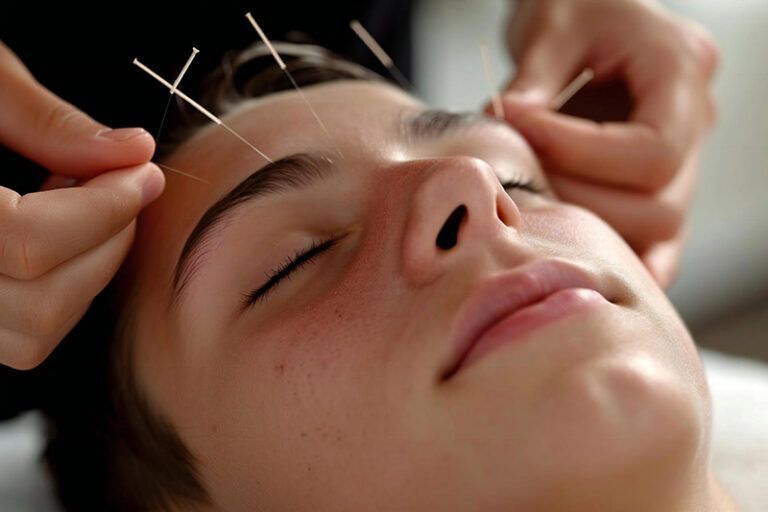
Acupuncture needles inserted near a person’s forehead and temples during a facial treatment

Research on Acupuncture for ADHD


While research on acupuncture as a treatment for ADHD is still emerging, several studies have explored its potential benefits:


1. Clinical Trials: Various clinical trials have investigated acupuncture’s effectiveness in reducing ADHD symptoms. Some studies report significant improvements in attention, hyperactivity, and impulsivity among children receiving acupuncture compared to control groups.


2. Systematic Reviews: A systematic review published in 2017 analyzed multiple studies on the use of acupuncture for ADHD. The review concluded that while the evidence is promising, the quality of studies varies, and more rigorous research is needed to establish definitive conclusions.


3. Case Studies: Individual case studies have reported positive outcomes for children with ADHD who underwent acupuncture treatment. Parents and practitioners observed improvements in behavior, concentration, and emotional well-being following sessions.


4. Complementary Approaches: Some practitioners advocate for a combined approach, using acupuncture alongside conventional treatments. This integrative method may provide a holistic solution for managing ADHD symptoms.

The Role of Acupuncture in a Holistic Approach


Acupuncture should not be viewed as a standalone treatment but as part of a comprehensive approach to managing ADHD. A holistic strategy may include:


1. Diet and Nutrition: A balanced diet rich in omega-3 fatty acids, antioxidants, and essential vitamins can support brain health and improve attention.


2. Exercise: Physical activity is beneficial for all individuals, particularly those with ADHD. Exercise can help regulate mood, energy levels, and focus.


3. Mindfulness and Relaxation Techniques: Practices such as yoga, meditation, and deep breathing exercises can complement acupuncture by promoting relaxation and reducing stress.


4. Behavioral Therapy: Working with a therapist who specializes in ADHD can provide additional strategies for managing symptoms and improving coping skills.

Children in red sports uniforms running and smiling on a sunny field

Considerations and Safety


While acupuncture is generally considered safe when performed by a qualified practitioner, it is essential to approach treatment with caution. Individuals seeking acupuncture for ADHD should:


1. Consult with a Healthcare Provider: Before starting any new treatment, consult with a healthcare provider to discuss potential benefits

Woman helping two children with homework at a table, smiling indoors with books and pencils.

Conclusion


Acupuncture presents a promising alternative treatment option for individuals with ADHD. While research is still developing, many individuals report positive outcomes from acupuncture therapy. It is essential to consider acupuncture as part of a comprehensive treatment plan that includes traditional therapies, lifestyle changes, and supportive practices. As interest in holistic and integrative approaches to ADHD continues to grow, acupuncture may become an increasingly popular choice for those seeking relief from symptoms.


As always, further research is needed to validate and understand the effectiveness of acupuncture in treating ADHD, but its potential benefits warrant consideration in the broader conversation about managing this complex disorder.

Older man with glasses cupping his ear, listening intently against a light background
January 16, 2026
Can acupuncture help with hearing loss? Explore current research, potential benefits, and its role as a complementary therapy alongside medical evaluation and treatment.
Person reclining under a red LED light panel, lit in intense red glow.
October 27, 2025
Learn how red light therapy and PEMF may support recovery, circulation, and wellness. Explore how these noninvasive therapies work and their potential benefits.
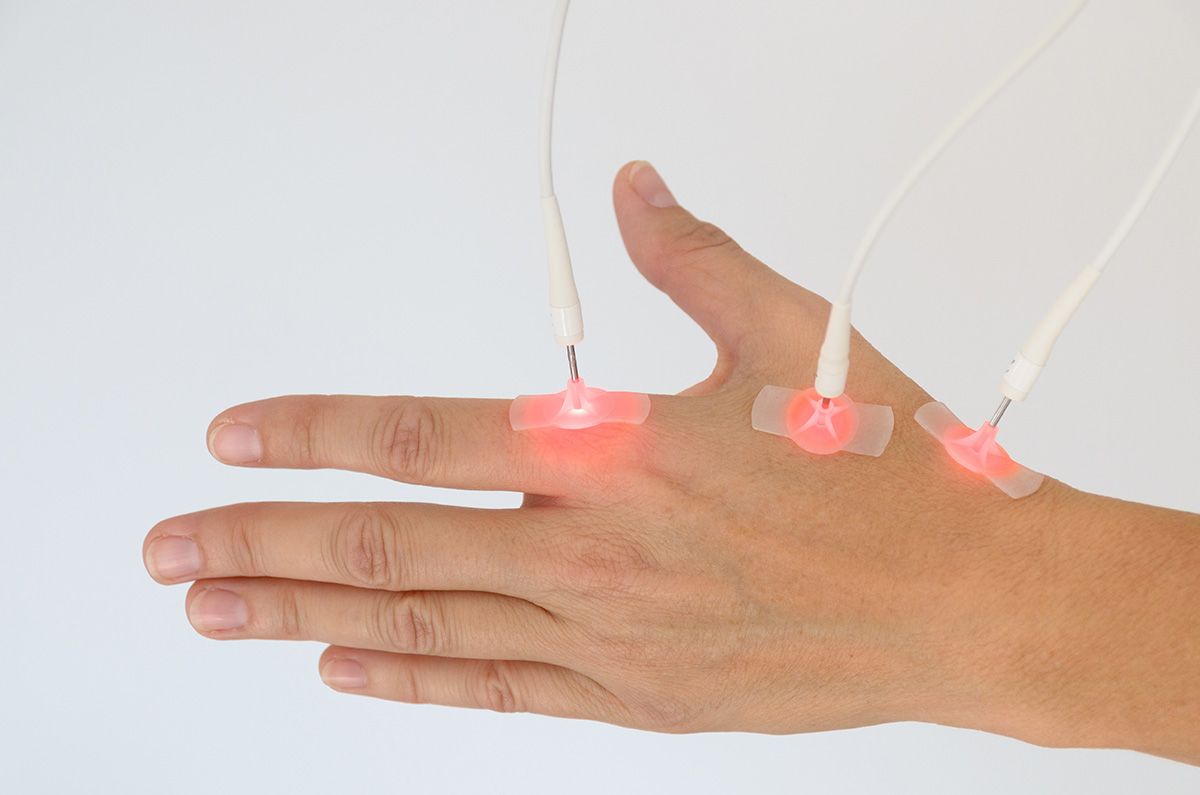
Hand with three red laser therapy probes on the back, emitting red light against a white background
October 27, 2025
Discover how laser acupuncture uses light instead of traditional needles. Explore its potential benefits for pain relief, relaxation, and holistic wellness.
Woman lying on a treatment bed with a white device attached to her abdomen.
October 13, 2025
Explore cryo slimming for body contouring and cellulite reduction. Learn how this noninvasive treatment works, its potential benefits, and what to expect.
Runners in a road race, with a smiling woman in a red tank top leading in the foreground.
October 6, 2025
Learn how acupuncture may help runners manage muscle soreness, relieve running-related pain, and support recovery, mobility, and athletic performance.
Hands holding a thin thread above metal pins, suggesting acupuncture treatment
September 28, 2025
Discover why medical doctors refer patients to acupuncturists and how acupuncture can complement conventional medicine to support pain management and overall wellness.
Woman in a hospital bed smiling at her newborn baby wrapped in a white blanket
September 19, 2025
Explore how acupuncture may support postpartum recovery by promoting relaxation, easing muscle tension, and complementing personalized care for new mothers.
Dancer stretching on wooden studio floor beside mirrored wall, wearing a black outfit and pink ballet shoes
September 11, 2025
Learn how acupuncture may help dancers manage injury-related pain, ease muscle tension, and support mobility. Explore its role in dance injury recovery and rehabilitation.
Smiling patient in a hospital bed wearing a blue hair cap, with medical monitor in the background
September 9, 2025
Discover how acupuncture may support post-surgery recovery by helping manage pain, reduce discomfort, and promote relaxation as part of a personalized recovery plan.
Smiling woman with a headscarf and gray sweater indoors, with a softly blurred background
March 18, 2025
Discover how acupuncture may help cancer patients manage treatment-related symptoms, including nausea, pain, and fatigue, as part of supportive cancer care.